


Traditional Method Sparkling Wine: Guide to the Best Italian Metodo Classico for Christmas Eve and Christmas 2025

Metodo Classico Sparkling Wine for Christmas 2025: Why It’s the Right Choice
Why Choose Metodo Classico for Christmas Eve and Christmas
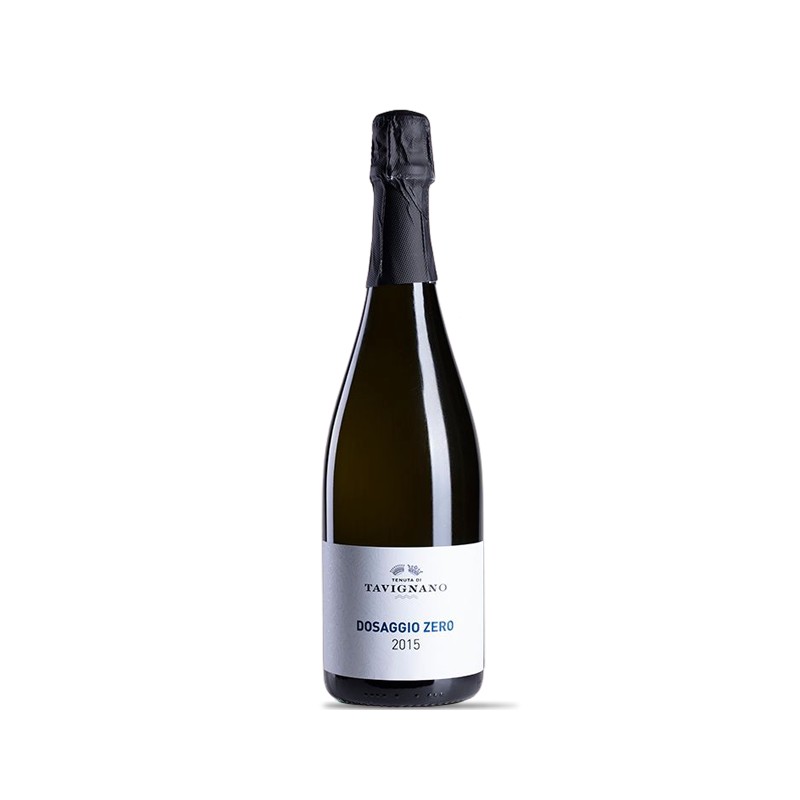
Starting the holidays with a Metodo Classico sparkling wine is a simple way to add value to Christmas Eve and Christmas lunch. This style is made with a second fermentation in the bottle, a process that requires time, care and long ageing on the lees—elements that deliver fine bubbles, complex aromas and a structure that can carry an entire meal. In Vinoso.Shop’s catalogue, labels such as Tenuta di Tavignano’s Verdicchio dei Castelli di Jesi DOC Metodo Classico Dosage Zero 2015 show how a well-crafted sparkling wine can support both the aperitif and more important courses. Choosing a Metodo Classico for the holidays means opting for balance, elegance and versatility at the table, with one bottle that can follow the dinner from the opening toast to the final cheers.


Metodo Classico Sparkling Wine vs Other Methods
Compared with other sparkling wines, Metodo Classico stands out because the second fermentation happens in the bottle. The base wine is bottled with a small addition of sugar and yeast: this triggers the prise de mousse, i.e., the natural creation of bubbles and the start of an ageing period that can last several years. During that time, prolonged contact with the lees enriches the aromatic profile with notes of bread crust, dried fruit and more layered flavours—very different from sparkling wines that ferment in pressurised tanks. For anyone planning a festive Christmas Eve or Christmas menu, Metodo Classico offers depth, persistence and food-pairing versatility, making it ideal not only for the opening toast but also for pairing across the entire meal.
What Is Metodo Classico and Why It’s Perfect for the Holidays
Metodo Classico: Winemaking, Second Fermentation and Ageing
In Metodo Classico, everything starts with a base wine designed to withstand the second fermentation. Grapes are harvested with good acidity, vinified with great care and left to rest until the desired balance is reached. Then the liqueur de tirage—a mixture of sugar and selected yeasts—is added to spark a new fermentation inside the bottle. This process creates the bubbles and begins the long ageing on the lees, during which the wine develops more complex aromas and a creamy texture. Disgorgement, which removes the yeast sediment, closes the cycle and prepares the bottle for release. This long, precise journey makes Metodo Classico especially suited to holiday menus, where depth and finesse matter.
Perlage, Texture and Complexity at Christmas
From a sensory standpoint, Metodo Classico is recognised by its fine, persistent perlage and its precise, textured palate. Long lees ageing adds notes of bread crust, dried fruit and sometimes mineral tones, layered with fresher aromas of fruit and flowers. This combination allows Metodo Classico to pair coherently with appetisers, fish dishes, white meats and more elaborate festive recipes. On a Christmas table, a good Metodo Classico isn’t just for toasts—it can be the thread that connects the different moments of the meal, enhancing dishes without covering their flavours.
Metodo Classico and Italian Christmas Eve & Christmas Menus
In many Italian households, Christmas Eve is built around seafood, while Christmas lunch features richer first courses, meats and substantial sides. In this context, Metodo Classico offers valuable continuity: its freshness supports fried food and raw seafood, its structure works with creamier or slightly savoury dishes, and its bubbles reset the palate between bites. For anyone shopping online at Vinoso.Shop, choosing Metodo Classico means opting for one wine that is highly flexible, able to adapt to the many faces of an Italian Christmas—from family Christmas Eve dinners to celebrations with friends.
Best Italian Metodo Classico for Christmas 2025
How to Choose the Best Italian Metodo Classico for the Holidays
To choose the best Italian Metodo Classico to open at Christmas 2025, start with a few simple criteria. First, the quality of the base wine, which shows in aromatic clarity and freshness on the palate. Then consider time on the lees, which builds complexity, and the dosage level, which helps you understand whether the wine is best for the aperitif, the meal or the final toast. Finally, match the bottle to your menu: a Brut Metodo Classico can be perfect for an entire tasting path, while an Extra Brut can be ideal with appetisers and delicate dishes.
Price Ranges and What to Expect
In the world of Italian Metodo Classico, price often reflects vineyard care, longer ageing and the reputation of the appellation. In the mid-range, you can already find bottles with precise aromatics, fine perlage and strong all-meal pairing potential. At higher prices, you typically gain more months on the lees, more selective fruit and deeper flavour dimension—details that can make a difference on special-occasion tables. When shopping online, reading the technical sheets and tasting notes helps you understand which Metodo Classico best fits your idea of Christmas Eve and Christmas, without always defaulting to the most expensive label.
Metodo Classico: Vinoso.Shop Recommended Labels
Among Vinoso.Shop’s selections, Tenuta di Tavignano’s Verdicchio dei Castelli di Jesi DOC Metodo Classico Dosage Zero 2015 stands out, made from hand-harvested Verdicchio and aged on the lees for at least 36 months. Alongside it, Roberto Garbarino’s Alta Langa DOCG Il Viaggio Blanc de Blanc Extra Brut—100% Chardonnay—offers another high-level interpretation, with fine perlage and aromas of reinette apple, white flowers and bread crust. Both wines bring structure, freshness and complexity that suit the holidays, making it possible to build a consistent tasting journey for Christmas Eve, Christmas lunch and year-end toasts.
Verdicchio dei Castelli di Jesi DOC Metodo Classico Dosage Zero 2015 – Tenuta di Tavignano
Origin, Verdicchio Grapes and Dosage Zero Style
Tenuta di Tavignano’s Dosage Zero 2015 comes from the hills of the Castelli di Jesi area in Marche, a region particularly well suited to Verdicchio. The grapes are grown on gently sloping vineyards with eastern exposure and are hand-harvested and selected in small crates to ensure only the best bunches are used. The base wine ferments in stainless steel at controlled temperature and then ages in steel for around eight months before tirage and the bottle-fermentation phase typical of Metodo Classico. It is a Dosage Zero wine, meaning no sugar is added after disgorgement—an approach that highlights Verdicchio’s character and the wine’s natural freshness.
Lees Ageing and Tasting Profile of Dosage Zero 2015
After tirage, Dosage Zero 2015 ages on its lees for at least 36 months before disgorgement, which took place in July 2019. In the glass it shows a bright straw-yellow colour and a lively, fine perlage—hallmarks of long bottle ageing. The aromatic profile, as described in the technical sheet, highlights intense notes of fennel seeds and hazelnut, alongside vegetal nuances and more structured mineral tones. On the palate it is dry, refined and linear, with freshness that carries the sip and makes it particularly suitable both as an opener and as a companion across multiple courses.
Christmas Pairings with Tavignano’s Dosage Zero Metodo Classico
For Christmas Eve and Christmas lunch, Tenuta di Tavignano’s Dosage Zero 2015 proves to be a highly versatile Metodo Classico sparkling wine. Its agile yet decisive structure pairs well with fish appetisers, tartare and raw seafood, as well as light fried dishes and herb-driven preparations. At Christmas lunch, it can accompany seafood first courses, savoury pies, delicate white meats and fresh or semi-aged cheeses. The fennel and hazelnut notes, combined with the mineral edge, add depth to pairings—making this Metodo Classico one of the most interesting choices for anyone who wants a single bottle to open during the holidays.
Pairing Metodo Classico with Christmas Eve Dinner
Metodo Classico and Christmas Eve Starters
For Christmas Eve starters—often built around raw seafood, carpaccio and small fried bites—a dry-dosage Metodo Classico is a very effective choice. The wine’s freshness balances the salinity of fish and shellfish, while the fine perlage cleanses the palate between bites. A bottle like Tenuta di Tavignano’s Dosage Zero helps you start the meal with precision and lightness, pairing well with both simple dishes and more elaborate recipes. If you want to explore more labels, alternating a Dosage Zero with an Extra Brut lets you play with different nuances while staying within the same sparkling-wine family.
Seafood Dishes on Christmas Eve and Metodo Classico
Moving into the main courses of Christmas Eve—often pasta with seafood, risotto and baked or stewed fish—Metodo Classico remains a reliable ally. The combination of acidity and structure helps the wine handle richer sauces, shellfish-driven preparations and dishes with herbaceous or citrus aromas. A Metodo Classico with solid lees ageing offers a creamy, persistent palate able to keep pace with more flavourful recipes without masking the raw materials. In this way, the “bubble thread” can accompany the entire dinner from aperitif through the last seafood courses.
Regional Christmas Eve Dishes and Dosage Zero Metodo Classico
Every Italian region brings its own Christmas Eve classics to the table, from fish soups to baccalà, squid and cuttlefish preparations. With savoury dishes that aren’t overly spicy, a Dosage Zero Metodo Classico delivers clarity and precision. The complete absence of added sugar, combined with Verdicchio’s natural freshness (as in Tavignano’s Dosage Zero), also works well with herb-forward dishes or light smoky notes. With thoughtful serving temperatures and course sequencing, Metodo Classico can comfortably carry the entire Christmas Eve meal without needing to switch wine styles.
Pairing Metodo Classico with Christmas Lunch
Metodo Classico with White Meats and Delicate Stuffings
At Christmas lunch, when roast white meats, stuffed turkey or herb-roasted poultry appear on the table, Metodo Classico once again shows its versatility. The creamy mousse and bright freshness lighten the dish, while the more complex notes gained from lees ageing connect with stuffing aromas. A well-balanced Metodo Classico manages the meat’s succulence without weighing down the palate, making each bite feel more harmonious and setting you up comfortably for the rest of the meal.
Vegetarian Christmas Pairings with Metodo Classico
For a vegetarian Christmas lunch, Metodo Classico pairs beautifully with savoury pies, vegetable lasagne, potato-and-mushroom bakes and cheese-based dishes. The wine’s structure meets the creaminess of lighter béchamel sauces and soft cheeses, while acidity keeps the overall sensation fresh. Choosing a bottle with a dry dosage helps avoid excessive roundness and makes pairings with seasonal vegetables and oven-baked holiday dishes more dynamic.
Metodo Classico and Desserts That Aren’t Too Sweet
At the end of Christmas lunch, Metodo Classico can work alongside desserts that aren’t overly sweet, such as dry cakes, spiced cookies or savoury “gastronomic” panettone. In these cases, it’s important that the wine’s sugar level isn’t lower than the dish’s sweetness, otherwise contrasts can feel too sharp. A Dosage Zero or Extra Brut Metodo Classico served with low-sweetness preparations keeps the palate in balance and prolongs the pleasure of the meal. For classic, sugar-rich desserts, it’s better to switch to dedicated sweet wines, keeping Metodo Classico for the toast.
How to Choose the Best Italian Metodo Classico for the Holidays
How to Choose a Metodo Classico for Christmas Eve
For Christmas Eve, the best Metodo Classico is the one that pairs well with seafood and appetisers. That’s why it helps to prioritise freshness, fine perlage and a dry dosage—such as Dosage Zero or Extra Brut. Aromatics leaning toward citrus, white flowers and light bread-crust notes integrate beautifully with raw seafood, marinades and light frying. By reading the technical sheets on Vinoso.Shop, you can quickly identify the Metodo Classico that best matches your seafood menu.
How to Choose a Metodo Classico for Christmas Lunch
For Christmas lunch, it can be interesting to choose a Metodo Classico with more structure. Longer lees ageing and a broader aromatic set—dried fruit, brioche, and more mineral tones—help the wine stand up to richer dishes. Dosage should still be chosen according to the menu: when sauces, stuffings and more intense seasonings are present, a dry but creamy Metodo Classico helps keep the meal balanced without becoming heavy.
Dosage Zero, Brut, Extra Brut: Useful Differences
In Metodo Classico, terms like Dosage Zero, Brut and Extra Brut indicate how much residual sugar the wine contains. Dosage Zero, or pas dosé, involves no added sugar in the liqueur d’expédition, resulting in a very dry sip—ideal for those who want maximum palate clarity and a true all-meal pairing style. Extra Brut has a very low sugar level, while Brut offers a touch more softness that can be especially pleasing with mixed appetisers and first courses. Understanding these differences helps you choose the right Metodo Classico for the different moments of the holidays.
How to Serve Metodo Classico on Christmas Eve and Christmas
Serving Temperatures for Metodo Classico
To fully enjoy Metodo Classico, serving temperature is crucial. Too cold and aromas are compressed, with freshness becoming the only dominant feature; too warm and alcohol and softness take over. For holiday Metodo Classico, a range between 6 and 8 °C for the aperitif and 8 to 10 °C with food is generally recommended, allowing aromatic complexity to emerge without losing energy. Bringing the bottle to the table already at the correct temperature helps avoid sharp swings and lets you enjoy fine, integrated bubbles from the first pour.
Glassware and Table Service
As for glassware, Metodo Classico shows best in tulip-shaped glasses rather than narrow flutes. A slightly wider bowl allows aromas to open and lets the perlage express itself without dispersing too quickly. Filling the glass no more than one-third helps maintain temperature and encourages a more attentive tasting. During festive lunches and dinners, pour slowly and avoid excessive agitation of the bottle to preserve bubble finesse all the way to the last toast.
Storing an Open Bottle of Metodo Classico
After a holiday meal, you may have some Metodo Classico left in the bottle. To preserve it, re-close it with a proper sparkling-wine stopper that can hold pressure, then keep it in the refrigerator. While perlage quality will naturally decline over time, many producers note that with a good seal the wine can remain enjoyable for one or two days. Drinking it sooner helps you retain bubble finesse and freshness.
Infographic Suggestion (Royalty-Free)
Infographic suggestion (royalty-free): a vertical layout titled “How to Choose the Best Metodo Classico for Christmas” with five blocks dedicated to dosage, Christmas Eve pairings, Christmas lunch pairings, time on the lees, and serving tips (temperature and glassware).
Metodo Classico as a Christmas 2025 Gift Idea
The Best Metodo Classico Bottles to Gift
Thinking of Metodo Classico as a Christmas gift means choosing a bottle that tells a story at first glance. Labels like Tenuta di Tavignano’s Dosage Zero 2015 or Roberto Garbarino’s Alta Langa Blanc de Blanc summarise different regions, grapes and styles, all tied together by vineyard care and long ageing. On Vinoso.Shop, detailed technical sheets make it easier to select bottles that match the recipient’s preferences—whether they love Verdicchio or prefer sparkling wines made from pure Chardonnay.
Gift Boxes and Themed Selections
To make the gift more complete, consider a box containing two or three Metodo Classico bottles with different profiles. Pairing a Dosage Zero with an Extra Brut, for example, lets the recipient explore distinct styles within the same category—perhaps as a mini tasting for New Year’s Eve or a special lunch. Buying online makes it easy to compare vintages, grape varieties and lees-ageing times, and to create a personalised gift set.
Metodo Classico for the Year-End Toast
When the countdown begins, a well-chosen Metodo Classico makes the year-end toast feel more meaningful. Fine, persistent bubbles, layered aromatics and a fresh finish create a different experience compared to simpler sparkling wines. Choosing one of Vinoso.Shop’s labels means arriving at midnight prepared, with a bottle that is not only visually impressive but also coherent with the flavour journey shared throughout the holidays.
Conclusion: Why Metodo Classico Is the Right Sparkling Wine for Christmas Eve and Christmas 2025
In summary, Metodo Classico is a highly coherent choice for anyone who wants continuity across Christmas Eve and Christmas menus. Bottle fermentation, long lees ageing and careful grape selection translate into fine bubbles, complex aromas and a versatile structure that can accompany appetisers, main courses and festive moments. Bottles like Tenuta di Tavignano’s Verdicchio Dosage Zero 2015 and Roberto Garbarino’s Alta Langa Blanc de Blanc show how Italian Metodo Classico can offer different personalities, all united by quality and precision. With Vinoso.Shop’s selection, you can find the Metodo Classico that best fits your Christmas 2025—turning every toast into a memory worth keeping.
Comments : 0