


Which structured red wines are there? A complete guide to choosing consciously

What does structured wine mean: the basics for understanding which structured red wines are there
What is meant by structure in a structured red wine
It only takes one sip to notice that not all reds “weigh” the same: when you ask which structured red wines are there, you’re looking for volume, grip, and persistence. Structure is not a generic label: it depends on the set of substances present in the wine (in addition to water and alcohol) and on how they are perceived in the mouth. In reds, tannins, dry extract, and alcohol level affect the sense of body and the texture that remains on the palate.

Why structure is central when choosing structured red wines
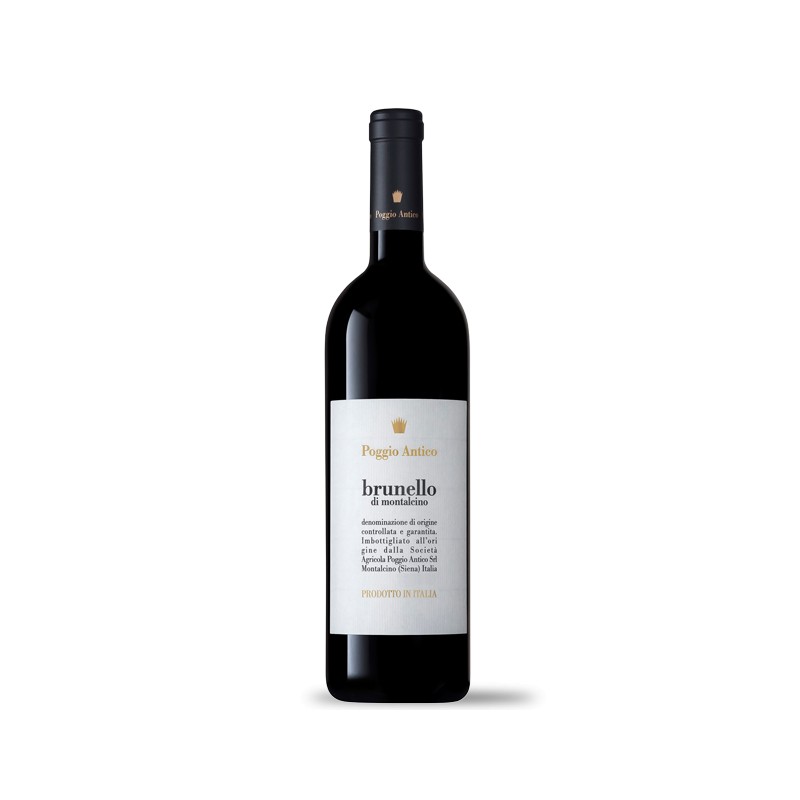
Practically speaking, understanding what structured wine means helps you buy online with fewer doubts: a structured red stands up to rich dishes, has a firmer grip, and often benefits from appropriate aging to integrate tannins. On Vinoso.shop, the blog content dedicated to “structured red wines” mentions examples such as Barolo and Brunello di Montalcino, useful as immediate references to guide your choice.
Which structured red wines are there: technical and sensory characteristics
Most common grape varieties in structured red wines
Before putting a label in your cart, it’s worth thinking about the grape: many types of structured red wines come from varieties with thick skins rich in polyphenols, which bring color and tannin. Nebbiolo, Sangiovese, Cabernet Sauvignon, and Syrah are often associated with reds of great staying power; Malbec and Tempranillo can also focus on concentration and persistence, as noted in Vinoso.shop’s in-depth content.
How to recognize a structured red wine by reading the label
On the label, one concrete clue is the alcohol content (typically >14%), which contributes to the sensation of warmth and fullness. Another signal comes from aging indications (barrel, time, reserve mentions when applicable) and from the appellation: some DOCGs were historically created for more intense reds. The goal here is to give you verifiable criteria to understand which structured red wines are there without relying on vague descriptions.
Concrete examples: which structured red wines are the best known
Most representative Italian structured red wines
Starting from Italy, you immediately find solid references: in the Vinoso.shop blog, Barolo and Brunello di Montalcino are cited as emblematic examples of structured red wines, useful for fixing the concept of intensity and persistence. Alongside these, Taurasi (Aglianico) and Amarone della Valpolicella represent great-structure alternatives. The point is not to make a ranking, but to build a map: area, grape variety, and production style affect the wine’s “grip” in the mouth.
International structured red wines: what changes compared to Italian ones
Outside Italy, the reasoning is similar but climate and cellar choices change: in Burgundy or the Rhône Valley, for example, reds combine dark fruit and spices with a dense, long-lived tannic weave; in Australia, Shiraz offers similar power. The real difference emerges in balance: not all powerful wines are automatically more enjoyable, and structure works when it doesn’t cover drinkability but supports it.
What is the fullest-bodied red wine: structure, power, and balance
Body and structure: why they are not the same thing
Often the question “what is the fullest-bodied red wine?” comes from a misunderstanding: body and structure overlap, but they are not the same. A wine can seem very full due to alcohol and softness, while structure also includes tannins and dry extract (>30 g/L), that is, the “backbone” of the sip. Clarifying this difference helps avoid disappointing purchases when you’re looking for structured red wines for important dinners.
When a very full-bodied red wine is also well-structured
What makes the difference is balance: present but not aggressive tannins, enough acidity to provide lift, and a persistence that remains clean. In Vinoso.shop content dedicated to Nebbiolo, a dense but elegant tannic texture and good palate hold are described: it’s a useful example of how “full-bodied” can also be precise, not only powerful.
Ideal food pairings with structured red wines
Dishes that enhance structured red wines
At the table, a structured red performs best when it meets substance: red meats, braises, game, and aged cheeses are classic pairings because fat and succulence soften the tannic texture. In the Vinoso.shop blog, tips on reds for braised dishes highlight precisely the usefulness of acidity and tannin in handling savory sauces and long cooking times.
Mistakes to avoid when pairing structured red wines
It’s better to avoid very delicate dishes: a structured wine can overwhelm subtle flavors and leave a drying sensation. Also pay attention to serving: temperatures that are too high accentuate alcohol and make tannins more angular, while the right temperature (16–18°C) keeps the sip more defined.
How to choose and buy structured red wines online on Vinoso.shop
Useful filters to find structured red wines in the online shop
When buying online, the best shortcut is to use filters and product sheets: look for indications of grape variety (e.g., Nebbiolo, Cabernet), appellation (DOCG such as Barolo), and alcohol content (>14%), then compare sensory descriptions consistent with structure (tannin, persistence, intensity). The “Red” section of Vinoso.shop is a useful starting point to explore categories such as “Structured” and producers based on preferences and budget.
Why buy structured red wines on Vinoso.shop
Choosing a specialized e-commerce reduces uncertainty: clear product sheets, thematic selections, and blog articles help connect a wine’s style with real use, for example a meat dinner, a gift, or a home cellar. The goal here is to turn the question “which structured red wines are there?” into a targeted choice, without filling the cart by trial and error.
Conclusion: which structured red wines are there and why choose them
In summary, structured red wines are recognized by body, tannins, extract, and persistence, read together and not in pieces. A practical reference comes from the examples cited in Vinoso.shop content (such as Barolo, Brunello, and Amarone), which help fix a “built-to-last” style and choose coherently with food and occasion. From here, the choice becomes easier: identify the style, check label clues, and focus on reds that clearly state what they offer in the glass.
Comments : 0