


Oaked red wine: barrel aging and key characteristics to recognize

What is meant by oaked red wine: definition and basic concepts
What “barrique-aged wine” means in wine terminology
If a red wine reminds you of sweet spices, toast, and a more enveloping texture, it’s often an oaked red wine behind it. In everyday language, “barrique-aged” refers to a wine that has spent a period aging in wood, very often in barriques—small barrels (usually around 225 liters) used to increase contact between wine and wood. This detail matters when you search for “red wine wood aging characteristics,” because it’s not enough to say “wood”: barrel size, type of oak, and aging time all matter.
Oaked red wine and wood aging: what really changes
In practice, aging in wood can add aromas (vanilla, cocoa, spices), round out the tactile feel, and stabilize color—but only if the base wine has enough structure. This section is meant to clarify the definition and explain what to expect, so you can read red-wine product pages on Vinoso.shop with clear criteria.
Wood aging: how oaked red wine is made
Infographic: wood aging of oaked red wine
Barrique (about 225 L)
Greater wine/wood contact surface: a more noticeable aromatic impact and faster integration, especially with new barriques.
Large cask
More measured wood impact: it often preserves fruit better and mainly works on time and tannin harmonization.
“Natural” micro-oxygenation
Wood allows a slow passage of oxygen: it helps tannins integrate and the texture become more “polished”.
Typical aromas
Vanilla, sweet spices, cocoa, toast, coffee or smoky notes: intensity depends on oak type, toast level, and “new vs used”.
Aging time
From a few months (just “definition”) to longer periods (integration and complexity): there is no single standard—what matters is the balance of the base wine.
Key idea: wood should not cover the wine, but make the balance between structure and aromas easier to read.
Barrique, large casks, and wood: differences in red wine aging
Barrique works in a “fine” way because it offers a large contact surface: the wine breathes slowly and integrates wood compounds more noticeably. Large casks, on the other hand, have a more measured impact and often aim to preserve fruit, letting time do most of the work. When you see the wording oaked red wine, ask yourself: is it new barrique or already used? And for how long? These details can greatly change the result in the glass.
How long an oaked red wine stays in wood
There is no “standard” duration that applies to all red wines: some reds spend just a few months in wood to add definition, others follow longer aging to integrate tannins. Here the keyword is to refine: wood should not cover the wine, but make the balance between structure and aromas easier to read.
What oaked red wine is like: sensory profile and characteristics
Typical aromas of oaked red wine
On the nose, an oaked red wine may show vanilla, sweet spices, cocoa, or toasty notes, depending on the oak and the toast level. American oak tends to give more obvious aromas (vanilla/coconut), while French oak is often subtler and more progressive. For those buying online, the key is to recognize coherent terms in descriptions: “toasty,” “spicy,” and “vanilla” are concrete clues.
Taste and structure of oaked red wine
On the palate, the typical sensation is greater roundness and a more polished tannin compared to a red aged only in stainless steel. Wood, however, does not replace substance: if the wine is light, barrique can become dominant. This part is meant to connect descriptors to the real result, so you can choose bottles suitable for dinner, gifting, or cellaring.
Types of oaked red wine: styles and interpretations
Dry oaked red wine: when wood supports the sip
In dry oaked red wine, the goal is to add depth without taking away drinkability: ripe fruit, spices, and a firmer structure. Among the types of red wine most commonly found in specialized e-commerce sites, you’ll find reds made from structured grape varieties that benefit from aging to make tannins more composed and the finish longer.
Wood aging and fortified wines: the case of Porto Reserva Tawny Dona Antónia
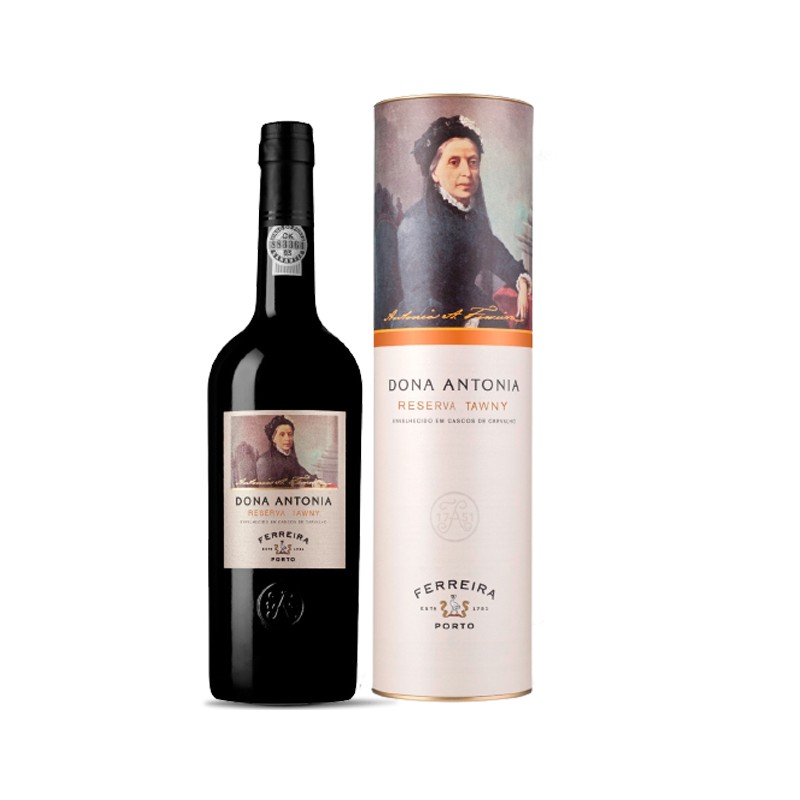
To understand how much wood can matter, it’s also useful to look at a fortified red such as Porto Reserva Tawny Dona Antónia (Ferreira). In the Vinoso.shop description, slow maturation in wood is mentioned along with a rich profile, with notes of ripe fruit and spicy, nutty nuances linked to oxidative evolution in cask. It’s not an “oaked red wine” in the classic sense, but it’s a clear example of how wood shapes aroma, color, and texture.
Which barriques are best for oaked red wine
Types of wood used for oaked red wine
When people ask which barriques are best, the correct answer is: the ones suited to the wine’s style. French oak is often chosen for a more gradual imprint; American oak tends to release more recognizable aromas in a shorter time. There is also Slavonian oak (more neutral and often used in large casks), useful when you want to limit the aromatic impact of wood.
New or used barriques: how the red wine changes
A new barrique gives more aromas and tannic compounds; a used barrique is gentler and mainly works through micro-oxygenation. For consumers, the practical rule is simple: if you love toasty and vanilla notes, look for explicit aging in barrique; if you prefer a red more centered on fruit, consider larger casks or less invasive woods.
Food pairings with oaked red wine
Ideal dishes for oaked red wine
With food, oaked red wine pairs well with structured dishes: red meats, roasts, game, and aged cheeses. The reason is practical: succulence and fat help “melt” tannins and make the overall pairing more harmonious.
Mistakes to avoid with reds aged in wood
It’s best to avoid very delicate preparations, because toasty notes can cover subtle flavors. Temperature also matters: serving too warm amplifies alcohol and makes the sip heavier; serving around 16–18 °C keeps the profile more defined.
How to choose an oaked red wine online on Vinoso.shop
What to look for on the label to recognize an oaked red wine
When buying online, the product page is your “pre-tasting”: look for wording such as aged in barrique, cask, or wood, then evaluate duration (months/years), alcohol level, and coherent aromatic descriptors. If the page mentions spices, toast, or vanilla and indicates an aging period, you’re within the oaked red wine category.
Red wine types and the “Red” selection on Vinoso.shop
To navigate different red wine styles, the “Red” category on Vinoso.shop is a useful starting point: you can filter by origin and style, compare product pages, and choose bottles with clear aging information. The goal is a targeted purchase: a wood-aged red for important dishes, or a more essential profile for everyday drinking.
Conclusion: why choose an oaked red wine
An oaked red wine makes sense when you want more aromatic depth and a softer texture, achieved through well-managed wood aging. The best choice comes from three quick checks: barrel type (barrique or large cask), aging time, and coherent sensory descriptors. With these three levers, reading product pages on Vinoso.shop becomes easier and the risk of “trial-and-error” buying decreases.
Comments : 0