


Charles Heidsieck Brut Réserve: differences between Brut, zero dosage, and sparkling wine style

Charles Heidsieck Brut Réserve: what it represents in the world of sparkling wines
Charles Heidsieck Brut Réserve as a benchmark among Brut sparkling wines
Charles Heidsieck Brut Réserve is a benchmark among Brut sparkling wines, thanks to its consistency and the savoir-faire of the Reims-based maison. The half-bottle of Charles Heidsieck Brut Réserve (0.375 L) is the smartest way to discover the house style: it comes from a precise blend with extensive use of reserve wines and a long time aging in the cellar, delivering fine bubbles and a broad, creamy palate texture.


Why link Charles Heidsieck Brut Réserve to zero-dosage wines
Brut and zero dosage are not quality hierarchies, but different styles linked to the dosage added after disgorgement. In Brut Réserve, this step creates a dry but not aggressive balance—ideal for those looking for elegance and easy drinkability without giving up complexity.
What “Brut” means: definition and implications for sparkling wines
Infographic: Brut vs Zero Dosage
Dosage (liqueur d’expédition) affects dryness and roundness: it’s not a quality scale, but a style scale.
What “Brut” means: the definition that really matters
“Brut” on the label indicates a sparkling wine with less than 12 g/L of residual sugar: a threshold that ensures a dry Champagne, able to highlight acidity and aromatic precision.
Brut and taste: why it’s the most versatile sparkling style
Brut is the most all-purpose style because it combines freshness with a touch of roundness: it works for aperitif and holds up at the table too, without the extreme austerity of the driest versions.
What “zero dosage” means in wine: differences vs Brut
Zero dosage wines: what it really means
Zero dosage (Pas Dosé or Brut Nature) indicates no added sugars after disgorgement, with residual sugar between 0 and 3 g/L. The result is a wine that expresses the natural character of the grapes and terroir without filters.
How the profile changes: zero dosage wines are more “vertical”
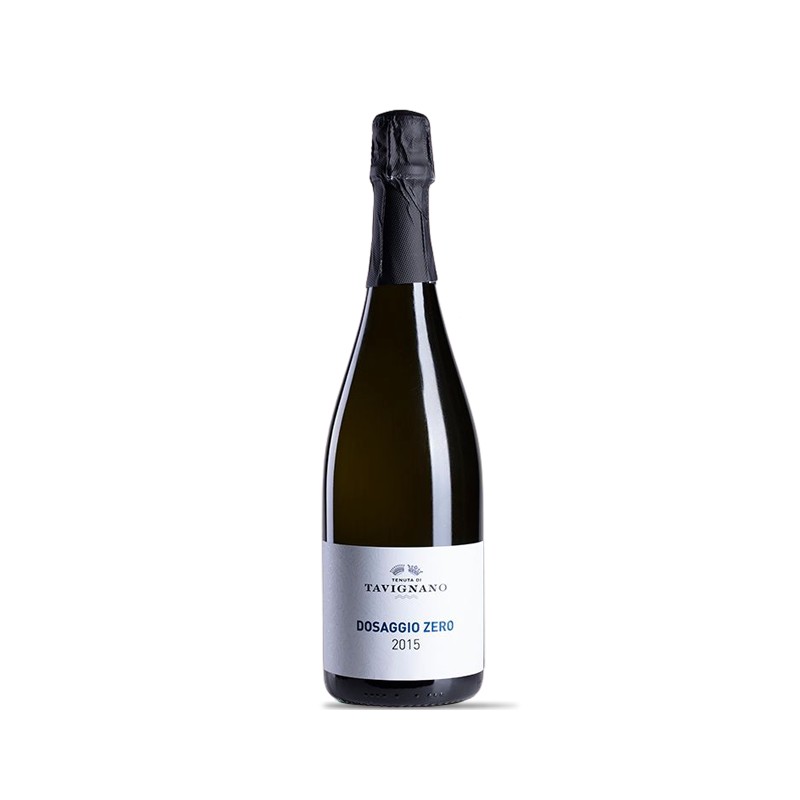
Without dosage, acidity comes through clearly and the sip is linear: a style ideal for trained palates and very salty pairings. A concrete example is the Franciacorta Dosaggio Zero Blanc de Blancs, designed for those seeking tension and absolute precision.
Charles Heidsieck Brut Réserve vs zero dosage wines: a practical comparison
Brut vs zero dosage: differences you feel from the first sip
Brut offers dryness with roundness; zero dosage aims for pure clarity. Charles Heidsieck Brut Réserve stays dry yet enveloping, thanks to a dosage that harmonizes without weighing the wine down.
Who chooses what: a quick guide based on taste and occasion
If you want a welcoming glass for aperitif and more obvious aromas, choose Brut. If you prefer a straight, salty, very taut wine, go for zero dosage wines. The choice comes down to two questions: what are you eating, and what style do you like?
Taste profile of Charles Heidsieck Brut Réserve
Aromas and structure of Charles Heidsieck Brut Réserve
The profile is complex and creamy: toasted brioche, ripe fruit, and a generous finish. It’s a Champagne that works even on its own, not only with food.
Why Brut Réserve is not a sweet wine
Dosage does not make the wine sweet: with high acidity, sugar serves to balance and make the sip more harmonious and refined.
Sparkling wines with no added sugar: alternatives to Brut
The “Sugar-Free Sparkling Wines” tasting box: why it’s useful
To truly understand style differences, a direct comparison is the best option. The Sugar-Free Sparkling Wines Tasting Box lets you taste Extra Brut and Zero Dosage at the same time, making it clear on the palate what changes between roundness and verticality.
When to choose zero dosage wines instead of Brut
With raw seafood and very savory dishes, the tension of zero dosage works better; for broadly appealing toasts and convivial moments, a Brut like Charles Heidsieck remains more inviting.
A useful comparison also with still wines
To make the text clearer and more choice-oriented, it’s worth comparing sparkling wines with a structured red wine too: if you’re looking for volume and softness, Brut is closer to that comfort; if you love precision and dryness, zero dosage is the “sparkling” equivalent of a very dry style.
Conclusion: choosing between Charles Heidsieck Brut Réserve and zero dosage wines
Charles Heidsieck Brut Réserve offers a full, complex balance; zero dosage wines aim for austere clarity. To decide quickly, use two filters: balance and volume → Brut; clean dryness and tension → Zero Dosage. On Vinoso.shop you can start with the half-bottle and compare with sugar-free selections or dedicated tasting boxes.
Comments : 0