


Port Tawny: characteristics, tannins, and differences vs Port Ruby

What Port Tawny means: definition and identity of the wine
What “Port Tawny” means in the world of fortified red wine
If you’re expecting a classic “roast red wine,” Port Tawny will surprise you: it’s a fortified wine from the Douro that changes character through oxygen and wood aging. The term “tawny” refers to the amber tone that appears when Port ages in cask for years, moving away from the intense ruby color typical of younger Ports. In Vinoso.shop guides about the Port production area, the key points are always the same: Douro grapes, vinification within the production area, and then a period of aging in the lodges (historically in Vila Nova de Gaia), where time shapes color and aromas.

Port Tawny as a red wine: the role of tannins and oxidation
This is where the goal of the article comes in: connecting Port Tawny with “red wine tannins and characteristics” without shortcuts. With oxidative aging in cask, tannins tend to feel less aggressive and more integrated, while notes of dried fruit, spices, and toast increase. That’s the practical reason why Tawny is often chosen after dinner: it has structure, but a softer tannic texture than a young red wine.
How Port Tawny is made: production and aging
Infographic: Port Tawny vs Port Ruby
(1) Color
Tawny: amber / golden with orange highlights.
(1) Color
Ruby: intense red, young and vibrant.
(2) Aging
Tawny: more oxidative in cask; time is decisive for evolution.
(2) Aging
Ruby: shorter; focuses on fruit and immediacy.
(3) Typical aromas
Tawny: dried fruit, spices, toasted notes, honey, wax, tobacco.
(3) Typical aromas
Ruby: dark fruit, blackberry/plum, cocoa; a younger profile.
(4) Tannins
Tawny: rounder and more integrated thanks to cask and oxygen.
(4) Tannins
Ruby: livelier, with a firmer grip and fruit upfront.
(5) Serving
Tawny: around 14°C (cooler = better balance).
(5) Serving
Ruby: around 16°C (rounder and fruitier).
(6) After opening
Tawny: often keeps for weeks/months (already “used” to oxygen).
(6) After opening
Ruby: usually weeks (younger, more sensitive profile).
Key idea: Tawny = oxidative evolution in wood; Ruby = fruit and immediacy.
The role of cask aging in Port Tawny
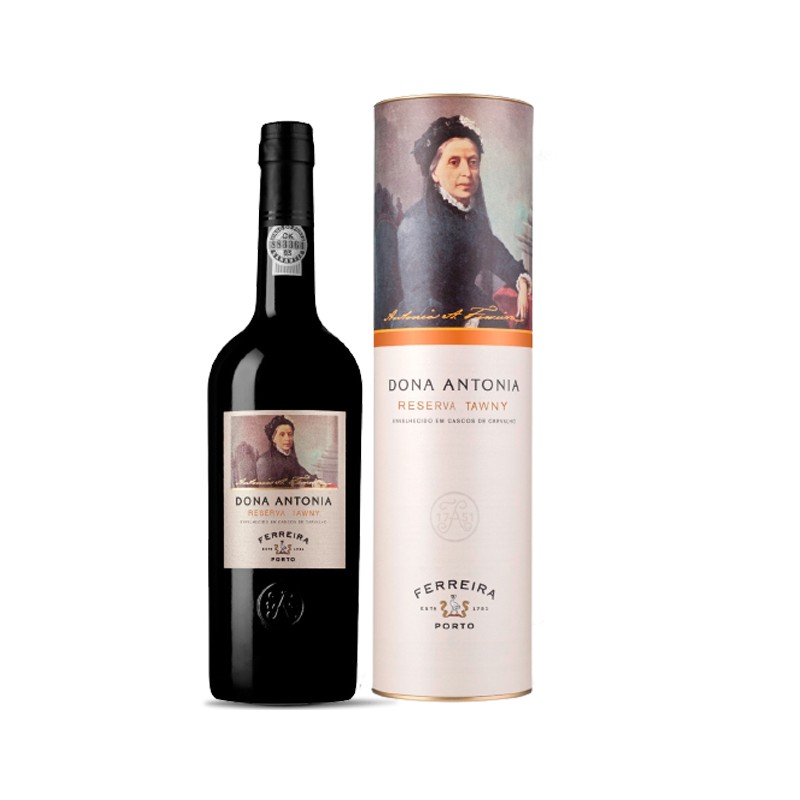
Unlike many dry red wines, Port is fortified: fermentation is stopped by adding neutral grape spirit, preserving part of the natural sweetness. In the product sheet for Port Reserva Tawny Dona Antónia, temperature and density control are described to choose when to add wine spirit, with the goal of halting fermentation and keeping sweetness. From that moment, aging in oak casks becomes decisive: the more oxygen slowly enters the wine, the more the color shifts toward amber and the aromas move toward dried fruit, spices, and toasted notes.
Time and style: entry-level Tawny, 10, 20, 30 years
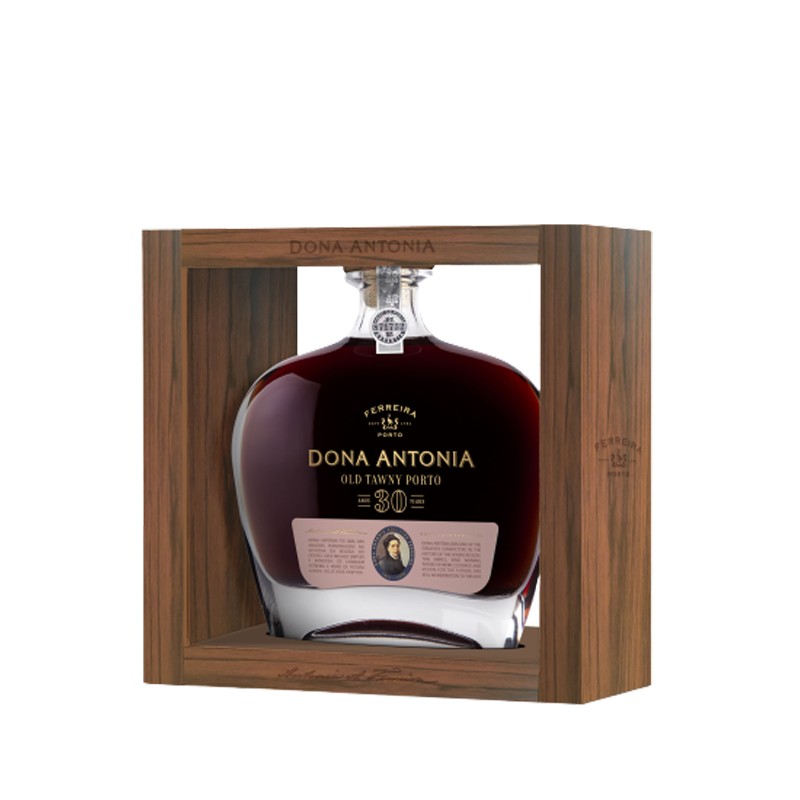
The 10, 20, or 30 years indications are not the age of a single vintage: they are a style statement describing the average profile of the blend. The higher the number, the more oxidative complexity you can expect—walnut, spice, wax, tobacco, and a sweetness that feels more harmonious. As a concrete reference, Ferreira’s Dona Antónia 30 Years Old Tawny is an example of Old Tawny: the product sheet speaks of a bright golden color with orange highlights and a very long finish.
Port Tawny and tannins: characteristics of an evolved red wine
How tannins change in Port Tawny
You don’t need technical jargon—think about mouthfeel. In young red wines, tannins can “grip” the gums; in Port Tawny, cask aging tends to round off that grip. The result is a full structure with a more velvety texture, where alcohol warmth and natural sweetness help the sip feel softer.
Port Tawny as an example of red wine with mature tannins
This is the most useful part for online buyers: if you want a red wine with noticeable tannins but less austerity, Port Tawny is a different option from still reds. In the Vinoso.shop blog about Port pairing and storage, Tawny styles are described as complex and elegant, with notes of dried fruit, nuts, spices, and honey—an aromatic signature typical of oxidative aging.
Ferreira Port: a historical reference for Port Tawny
Ferreira Port and Tawny style: why the name helps you choose
When you search for Ferreira Port, you’re also looking for consistency. On the product page for the 30-year Tawny, Ferreira is linked to Dona Antónia Adelaide Ferreira, remembered for her impact on modernizing the region and improving Port quality. For buyers, that’s a practical advantage: a recognizable style reduces “trial-and-error” purchases.
Port Tawny Dona Antónia 30 Years Old: a concrete Old Tawny example
The Vinoso.shop product sheet lists traditional Douro grapes (Tinta Barroca, Tinta Roriz, Touriga Franca, Touriga Nacional) and 20% ABV. The descriptors are very specific: spices (pepper, ginger, nutmeg), wax, and a tobacco box, with hints of ripe red fruit and anise. On the palate, good volume, vibrant acidity, spice, and an extremely long finish are indicated. It’s a classic after-dinner profile, but also interesting with intense cheeses.
How to drink Port Tawny: serving, pairings, and storage
Port Tawny serving temperature: why it’s served cooler
The rule is simple: serving a bit cooler improves balance. In the Vinoso.shop blog on how to pair and store Port wine, 14°C is suggested for Tawny, lower than Ruby (16°C).
How to drink Port Tawny: pairings that really work
The best pairings follow aromas and texture. Vinoso.shop recommends Tawny with rich egg-and-cream desserts, dried fruit, and intense cheeses, and also suggests ideas such as foie gras, pâté, autumnal chestnut or mushroom soups, and savory dishes. The logic is simple: when the dish has toastiness, sweetness, or strong savory intensity, Port Tawny can handle it.
After opening: how long Port Tawny really lasts
Tawny is already “used” to oxygen. According to Vinoso.shop, a bottle of Tawny Reserve can stay open for about 8 weeks without significant change, while a 10-year Tawny can be enjoyed for at least 2 months. It’s a real advantage if you drink it in small pours.
Port Tawny vs Port Ruby: key differences
Color, aromas, and tannins: Port Tawny vs Port Ruby
Ruby stays intensely red because it spends less time in cask and focuses on fruit and immediacy; Tawny turns amber because it ages longer in wood, with more pronounced oxidative evolution. In the Ferreira Ruby Port sheet, a balance between sweetness and tannic structure is mentioned, along with a key point: it’s ready to drink and does not improve with further bottle aging. In Tawny, by contrast, the cask integrates tannins and shifts aromas toward spice and dried fruit.
Which one to choose: Port Tawny or Port Ruby
If you love dark fruit and a younger profile, Ruby is often the most straightforward choice. If you want complexity, elegant oxidative notes, and rounder tannins, Port Tawny is the better fit. For creamy desserts and intense cheeses: Tawny; for chocolate and red-fruit desserts: Ruby, as indicated in Vinoso.shop guides.
Port Tawny and appellation: why it’s not DOC or DOCG
Port Tawny: Denominação de Origem Controlada—what it means
On the product sheet for Ferreira’s 30-year Tawny you’ll find “Denominação de Origem Controlada,” the Portuguese designation that protects origin and production rules. It mainly prevents confusion: Port doesn’t use Italian acronyms, but it is still protected by a national system.
DOC and DOCG: a useful link for Italian buyers
To understand how Italian appellations work, the Vinoso.shop guide on DOC and DOCG is a clear reference. The point here is not to “translate” Port into DOC/DOCG, but to remember that appellations are tools to control origin: the acronyms change, not the principle.
Conclusion: why choose a Port Tawny today
Port Tawny is a concrete choice when you want a complex fortified wine with more integrated tannins and aromas shaped by wood and oxygen. Serve it around 14°C and pair it with creamy desserts, dried fruit, or intense cheeses; for a more offbeat match, try it with a rich savory dish. As a clear starting point, Ferreira Dona Antónia 30 Years Old combines 20% ABV with a spice- and tobacco-driven profile (plus ripe fruit) described in the product sheet. If you prefer a fruitier, more immediate taste, Port Ruby remains the most direct alternative.
Comments : 0