


Charles Heidsieck Rosé Réserve: the perfect Valentine’s Day Champagne, balancing elegance and bubbles

Rosé Réserve: why choose a Champagne for Valentine’s Day and bubbles
Rosé Réserve and rosé Champagne: a toast that speaks clearly
One glass is enough to change the mood: with Charles Heidsieck Rosé Réserve, Valentine’s Day Champagne becomes a simple yet memorable gesture. In a season when you want a gift that makes an impression without feeling over the top, the right bubbles help you say a lot with very little: a pre-dinner toast, a shared dessert, or even just a quiet moment at the end of the day.
The goal is to help you choose with more confidence: what makes Charles Heidsieck Rosé Réserve recognizable, how to highlight it at the table, and how to fit it into a Valentine’s Day evening without overcomplicating things.

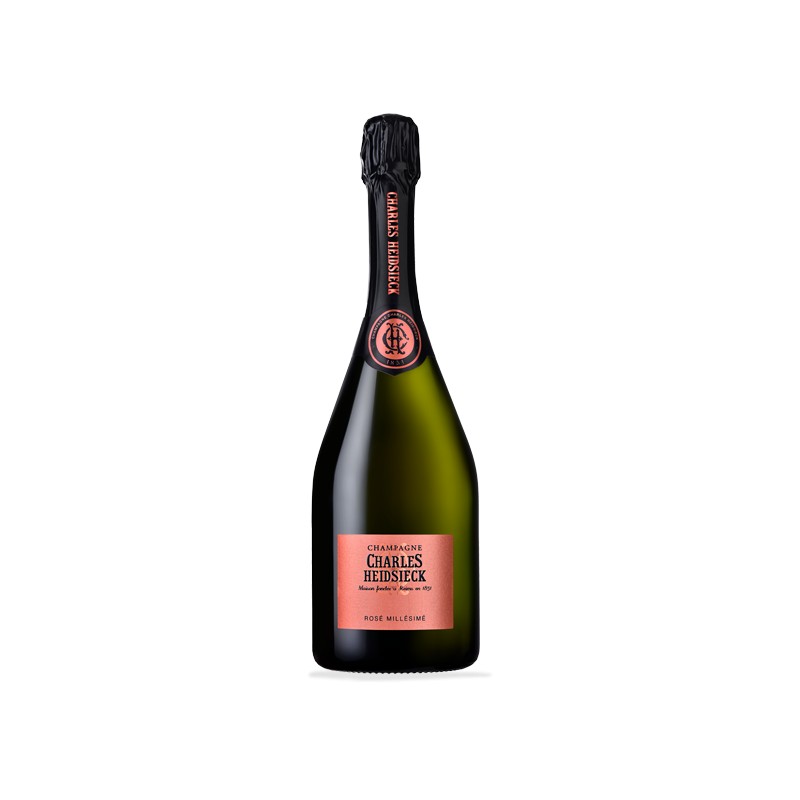

Rosé Réserve: characteristics of a Rosé Brut Champagne and its bubbles
Rosé Réserve at a glance: blend, reserve wines, and dosage
Let’s start with the concrete details: Rosé Réserve is a Champagne (AOC) in the 0.750 L format. The blend is built on 75% wines of the year (with equal parts of Pinot Noir 40%, Meunier 25% and Chardonnay 35%) and 25% reserve wines, split between Pinot Noir and Chardonnay, with an average age of about 5 years. To complete the profile, a small portion of red wines (5–6%) from Les Riceys, in the Côte des Bar, is added.
The dosage is typical of a Brut style, designed to combine freshness and roundness. In the glass, you can expect fine bubbles and an aromatic thread that recalls red fruits and sweet spices. For Valentine’s Day, it’s useful to know: Charles Heidsieck Rosé Réserve isn’t a rosé “just for color”—it’s a rosé built to be full, precise, and convivial.
Rosé Réserve and chalk cellars: why aging matters for the bubbles
One detail that sets Charles Heidsieck Rosé Réserve apart is time: aging for over 3 years in the chalk cellars (crayères) acquired by the Maison starting in 1867, now recognized as a UNESCO World Heritage site. In practical terms, these conditions help deliver delicate bubbles and greater complexity without losing lift.
If you want an “anti-doubt” criterion for choosing a Valentine’s Day Champagne, this is one of the most useful: longer aging tends to make the sip more integrated. It’s what makes the difference between a correct toast and a toast that makes you want to pour a second glass.
Rosé Réserve: awards and recognitions that help when choosing a Valentine’s Day Champagne
Another practical element—especially if you’re buying online—is the “Awards and recognitions” section shown on the Vinoso.shop product page. Here, Charles Heidsieck Rosé Réserve appears with scores from different international guides and critics (including Decanter, Wine Spectator, Robert Parker and others), a recap that helps contextualize the bottle’s positioning without having to search elsewhere.
The page also indicates a recommended drinking window (“enjoy within 7 years”). For a Valentine’s Day gift, that’s reassuring: you can open it right away to enjoy the bubbles, or cellar it a little longer knowing the label is designed to hold its balance over time.
Rosé Réserve for Valentine’s Day: a quick guide to the bubbles
6 key points to choose, serve, and pair a Rosé Brut Champagne in a simple, precise way.
1) Blend and reserve wines
A blend built on Pinot Noir, Chardonnay, and Meunier, plus a share of reserve wines for stylistic consistency and depth.
2) 5–6% red wines (Les Riceys)
Color and part of the fruity profile come from a small portion of still red wine (Pinot Noir) from Les Riceys.
3) Over 3 years aging in crayères
Time in the cellar helps deliver more integrated bubbles and a more harmonious sip: fewer “edges,” more elegance.
4) Dosage 11 g/L (Brut)
A Brut dosage aimed at balance: dry, but not severe—ideal for a “universal” toast.
5) Serving temperature
For a crisp aperitif: 6–10 °C. At the table, to bring out more aromatics: 10–12 °C. A tulip-shaped glass is recommended.
6) Quick pairings
Simple Valentine’s Day ideas: tartare, sushi, shellfish, carpaccio and, to close the evening, lightly sweetened red-berry desserts.
Practical tip: pour smaller amounts and top up more often to keep the perlage lively in the glass.
Rosé Réserve Valentine’s Day Champagne: when and how to gift it
Boxed Rosé Réserve: why this format is practical as a gift
Sometimes presentation makes the difference: the boxed version of Rosé Réserve saves you from scrambling for last-minute packaging and makes the gift immediately ready. For Valentine’s Day, that’s a concrete advantage—especially if you’re buying online and want something polished as soon as it arrives.
To keep it foolproof, go for a short message that matches the mood of the bubbles: a simple note, a home-cooked dinner, or a last-minute aperitif. Rosé Réserve works in all three scenarios because it combines softness and energy without demanding ceremony.
Rosé Réserve: how to serve it (temperature, glassware, and the rhythm of the toast)
It’s best not to improvise: temperature really changes both aromatics and perlage. Service guides generally suggest around 6–10 °C for Champagne when you want freshness and precision; during the meal you can move closer to 10–12 °C to bring out more aromatics.
A tulip-shaped glass (or a modern flute that isn’t too narrow) helps you perceive the profile of Rosé Réserve more clearly. One simple tip: pour smaller amounts and top up more often—bubbles stay lively and the evening keeps a light rhythm.
Rosé Réserve and pairings: what to eat with rosé Champagne and bubbles
Starters and main dishes: Rosé Réserve when you want balance
For a Valentine’s Day dinner, rosé Champagne shines with clean flavors that aren’t overly spicy. Pairing guides often point toward cured meats and seafood preparations: the effervescence refreshes the palate while the rosé fruit stays in the spotlight.
If you want easy choices, think carpaccio (fish or meat), sushi, tartare, or a creamy first course that isn’t too heavy. The idea is to avoid very sweet sauces or aggressively spiced dishes, which can overpower the bubbles.
Dessert: Rosé Réserve and red berries to close the night
When dessert arrives, Rosé Réserve can become the thread that ties the meal together. Many rosé Champagne pairing tips focus on red-berry desserts (strawberries, raspberries, sour cherries) with restrained sweetness, so freshness stays front and center.
A practical example: fresh strawberries with a light cream, or a lightly sweet tart with berries. This way, your Valentine’s Day Champagne won’t be buried by sugar and keeps its personality.
Rosé Réserve online: why buy Champagne on Vinoso.shop
Price, availability, and shipping: what to check for Rosé Réserve
Buying bubbles online is convenient, but it helps to know what to look for. On the Vinoso.shop Rosé Réserve page you can see the price, stock availability, and immediate shipping indications—three useful details when Valentine’s Day is close and you don’t want to risk delays.
The product page also includes technical data (format, alcohol level, category) and a section with awards and tasting scores. If you’re choosing a gift, these details help you understand you’re not buying just any bottle, but a label already assessed by multiple international guides.
Conclusion: Rosé Réserve, a Valentine’s Day Champagne worth remembering
In the end, the scene matters: a bottle ready to open, two glasses, and bubbles that stay elegant to the last sip. Rosé Réserve is a solid choice because it combines clear facts (blend, still red wine portion, dosage, aging) with a taste profile designed for the table—not just for a toast.
If your goal is to make Valentine’s Day feel special without turning it into a complication, this rosé Champagne brings a lot to the table: it opens the evening, pairs with food, and finishes beautifully.
Comments : 0