


Valentine’s Day dinner: how to choose the right wine (oak-aged red and rosé bubbles)

Valentine’s Day dinner: why wine really changes the evening
A Valentine’s Day dinner works when every detail is simple but intentional: the light, the pace of the courses, and above all what you pour into the glass. Wine isn’t an accessory: it’s the thread that connects aperitif, main course, and the final toast. This guide has a practical goal: help you choose an oak-aged red wine without missing the style, and suggest rosé alternatives for those who prefer something lighter and more festive. The starting point is the selection available on Vinoso.shop, including gift bottles and the categories of Rosé Champagne, Alsace Rosé Crémant and Rosé Franciacorta. By the end, you’ll have a mini strategy for pairings and service, so your Valentine’s Day dinner stays harmonious from the first glass to the last.

Valentine’s Day dinner at home: menu, atmosphere and drinks
Valentine’s Day dinner: the atmosphere that makes the menu feel right
Before talking about labels, get the atmosphere right: a clean table, two suitable glasses, and the correct serving temperature for the wine. If your Valentine’s Day dinner is intimate, fewer courses done well are better: a starter, a main course, and a sweet finish. That way you can choose a coherent wine, without chasing a thousand pairings that confuse more than they help.
Common mistakes in a Valentine’s Day dinner: what to avoid right away
Often the mistake is about intensity: wine that’s too alcoholic with delicate dishes, or sparkling served warm because you remember the fridge at the last minute. Another slip is a random pairing: if you choose an oak-aged red, you need a dish that can handle the structure. If instead you want freshness and ease, rosé bubbles are the simplest choice.
- Quick checklist before you start:
- choose 1 main style (oak-aged red or rosé bubbles)
- prepare an ice bucket for the sparkling wine
- use large glasses for reds and tulip-shaped glasses for sparkling
Oak-aged red wine: how to choose it for a Valentine’s Day dinner
What oak aging means in red wine
Oak aging isn’t meant to cover the wine: it’s meant to transform it. Oak can add recognizable aromas (spice, cocoa, vanilla), support micro-oxygenation, and round out the tactile feel. The useful idea for a Valentine’s Day dinner is understanding that not all oak-aged reds are the same. A barrique, for example, has more surface contact than a large cask and can leave a more noticeable imprint.
How to choose an oak-aged red without missing the style
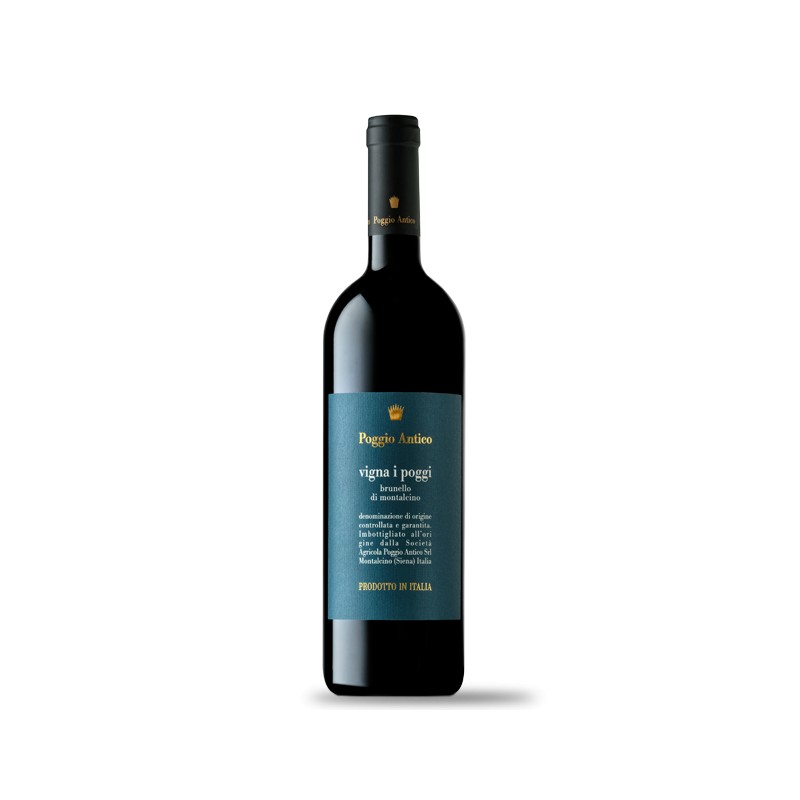
To choose well, start from the main course. If you’re having red meat, roast dishes, or a substantial ragù, an oak-aged red works because it has structure and persistence. If instead your Valentine’s Day dinner is based on lighter or spicy dishes, it’s better to avoid a red that’s too marked by oak and lean toward rosé bubbles. A simple criterion is this: look for balance between fruit and oak notes. If on the nose you get only vanilla and toast, you risk weighing down the menu; if the fruit stays clear and the oak supports it, you’re on the right track. If you want a “big-night bottle,” you can also consider a great red from an iconic territory such as a top-selection Brunello: Brunello di Montalcino Vigna I Poggi (Poggio Antico).
Valentine’s Day dinner: red wine or rosé bubbles?
When to choose red wine for a Valentine’s Day dinner
Choose a red (ideally oak-aged) when the central dish has juiciness and intensity: grilled meats, braises, mushrooms, aged cheeses. In that context, the wine works with the food, softening the perception of tannins and enhancing flavors. If your Valentine’s Day idea is a slow, enveloping dinner, red is the most coherent choice.
When to choose rosé bubbles for a Valentine’s Day dinner
Prefer rosé bubbles when you want a brighter approach: a long aperitif, seafood starters, sushi, vegetarian dishes, or a Valentine’s Day dinner focused more on the toast than on structure. You can choose between Rosé Champagne, Alsace Rosé Crémant and Rosé Franciacorta: three different styles with one common denominator—versatility at the table.
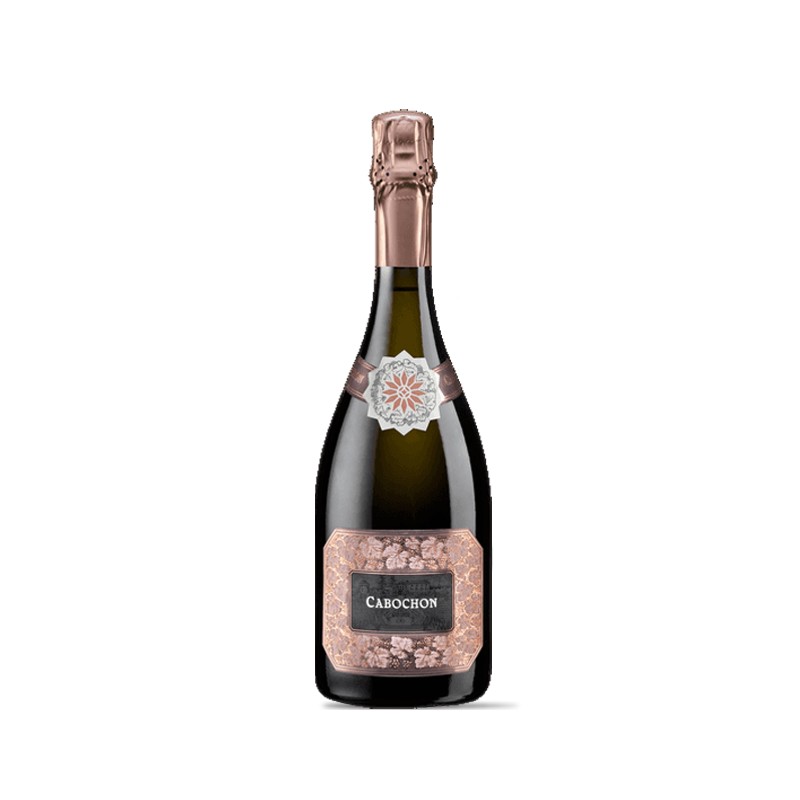
If you also want a “ready bottle” to suggest as a gift idea or a premium toast, you can go for an author-style rosé like Franck Bonville Rosé or an iconic cuvée such as Cabochon Fuoriserie Rosé N07.
Pairing wine with the Valentine’s Day dinner menu: practical ideas
Simple pairings for a stress-free Valentine’s Day dinner
Planning pairings doesn’t mean making the menu complicated: it means avoiding clashes. An oak-aged red pairs well with dishes rich in protein and “good fat,” because the substance of the dish softens the tannic grip. Rosé bubbles, instead, work well with savory dishes and varied textures thanks to acidity and carbonation.
- Quick pairing examples:
- red meat or roast → oak-aged red wine
- roast chicken / white meats → rosé bubbles or a more agile red
- fish and shellfish → Rosé Champagne or Rosé Crémant
- red-fruit desserts → rosé bubbles (served well chilled)
Temperature and service: the detail that saves a Valentine’s Day dinner
Differentiate service: rosé bubbles perform best around 6–8 °C, while an oak-aged red expresses itself better closer to 16–18 °C. A practical rule: if the red feels sharp, don’t raise the temperature; instead let it breathe in the glass. It changes perception without altering the wine.
Gift bottle for Valentine’s Day: how to choose and buy online
Wine as a gift: why it works on Valentine’s Day
A well-chosen gift says “I know you”: you don’t need the most expensive bottle—you need the right one for the person. If you know they love reds, go for an oak-aged red with a warm, persistent profile. If they prefer freshness and easy toasts, choose rosé bubbles.
Gift bottles on Vinoso.shop: what to check before buying
To buy with confidence, check the format, any gift box, and availability. In the dedicated gift-bottle section you’ll find options designed specifically for occasions like a Valentine’s Day dinner. Recommended internal link: Gift bottles on Vinoso.shop
Conclusion: a Valentine’s Day dinner works when the wine is coherent
In short, the smartest choice isn’t red or bubbles, but what kind of evening you’re building. If your Valentine’s Day dinner has an intense main course, an oak-aged red wine can add depth and continuity. If instead you want lightness and easy toasts, rosé bubbles (Champagne, Alsace Crémant, or Franciacorta) are the most versatile option. Take care of temperature and glassware, give the wine time to open up, and use the gift-bottle section if you want to turn the evening into a tangible memory.
Comments : 0