


Fruity wines: characteristics, how to recognize them, and 3 bottles to try on Vinoso.shop

A “fruity” wine isn’t necessarily sweet: it’s often a dry glass that smells of cherry, raspberry, or wild berries and makes you want a second sip. In this guide you’ll find what it really means to talk about fruity wines, where these aromas come from, and how to choose the right label online based on dinner, season, and personal taste. At the end, we suggest three fruity wines available on Vinoso.shop, with practical tips for serving and pairing.


Fruity wines: what it means and why people like them
Fruity wines = fruit aromas, not sugar
When we say “fruity wines,” we’re talking about an aromatic profile: on the nose they recall fresh or ripe fruit (red fruits, wild berries, sometimes darker notes like plum). It’s a sensory description, not an indication of residual sugar. A fruity wine can be dry and easy-drinking, with lively acidity and measured tannins: the result is immediate drinkability, also suitable for those who are just starting to explore the world of wine.
What makes a wine “fruity”: grape variety, fermentation, and cellar choices
Fruitiness can depend on the grape variety, the growing area, and how fermentation and aging are managed. Controlled-temperature fermentations and calibrated macerations help preserve fresh aromas; on the contrary, a very pronounced passage in new oak can shift the profile toward toast and spice. From a chemical standpoint, many fruity notes are linked to esters formed during fermentation. Another technical crossroads is malolactic fermentation: it reduces malic acid and tends to make the wine softer and rounder. If managed with balance, it can smooth edges without erasing the fruit.
How to recognize fruity wines in the glass
On the nose: fresh fruit, ripe fruit, “fruit in spirits”
To train your nose, try classifying the fruit you smell:
- Fresh fruit (raspberry, wild strawberry, redcurrant) → a “crisp” sensation that invites you in.
- Ripe fruit (full cherry, blackberry) → rounder and more enveloping.
- Fruit in spirits / plum → often associated with greater extraction or techniques such as ripasso.
On the palate: freshness and tannin must support the fruit
A well-focused fruity wine isn’t just aromatic: on the palate it must stay coherent. Look for freshness that “pulls” the sip and tannins that are present but not aggressive. If the wine tastes flat or dominated by toasted notes, the fruit probably isn’t the protagonist.
Fruity wines: reds and whites, what differences to expect
Fruity reds: cherry, raspberry, blackberry (and when to choose a Ripasso)
In reds, the fruit can range from lighter profiles (cherry and small berries) to more intense, darker versions. If you like deeper fruit and a fuller texture, Ripasso is often an interesting middle ground: more volume and complexity, but with fruit still front and center.
Fruity whites: apple, peach and citrus, often more immediate
Many whites express fruity aromas and a fresh taste. In general, you choose them when you want lightness and simple pairing with delicate dishes; in fruity reds, instead, the tannic component comes into play as well, useful with meats and cheeses.
How to choose fruity wines online: a quick guide on Vinoso.shop
Read the product sheet: grape variety, aging style and pairings
To buy with confidence, focus on three elements: grape variety (or blend), sensory description, and pairing suggestions. Words like “red fruits,” “wild berries,” “cherry,” or “plum” are clear clues. If instead you often see “toasty,” “vanilla,” and “coffee,” the wine may be less centered on fruit. If you want to go deeper with examples and pairings, you’ll find a dedicated guide to fruity red wine.
Serving temperature: the trick to make the fruit “come out”
Many fruity wines perform better slightly cooler than the classic “room-temperature red”: 14–16°C is a very useful window. Serving them too warm emphasizes alcohol and mutes fruit notes.
3 fruity wines to try on Vinoso.shop
1) Ripasso Zane 2021 – Boscaini Carlo (Valpolicella Ripasso Classico Superiore)
A Ripasso with intense fruit: red fruits in spirits and delicate spices emerge, with a soft, well-balanced sip. It’s a “table bottle” when you want more structure without losing the clarity of fruit.
2) Rosso di Montalcino DOC 2024 – Poggio Antico (100% Sangiovese Grosso)
Here the fruit is cleaner and fresher, with great drinkability and an acidic tension that keeps the sip dynamic. It works well with simple sauces, flavorful white meats, and charcuterie boards that aren’t overly fatty.
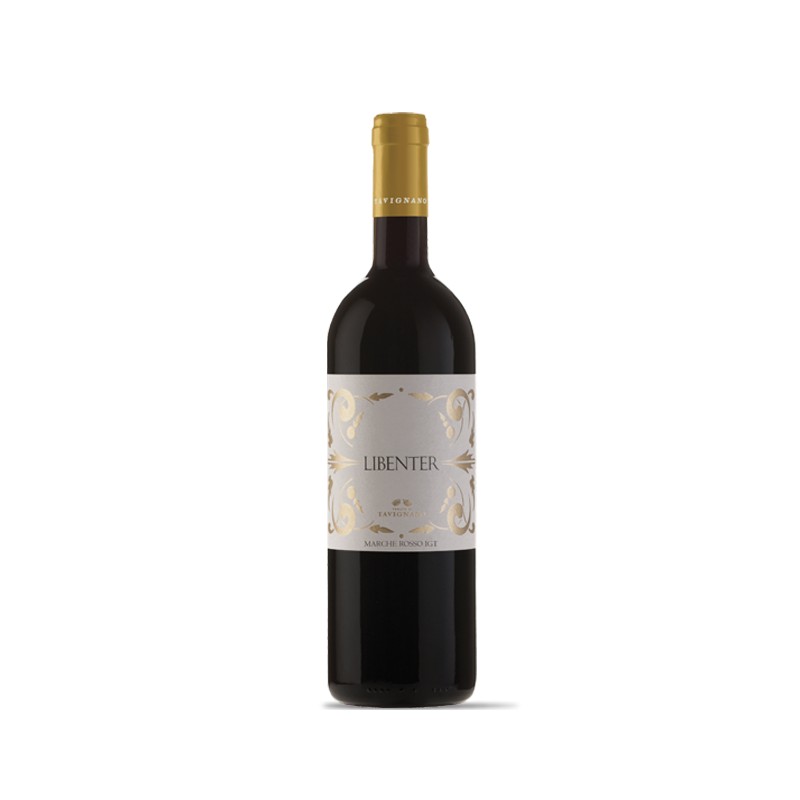
3) Libenter 2018 – Tenuta di Tavignano (Rosso Piceno DOC)
A blend based on Montepulciano, with Sangiovese and a small portion of Cabernet Sauvignon: ripe, juicy fruit supported by body and softness. Ideal when dinner calls for a fuller red that still feels “fruity.”
Pairings for fruity wines: simple ideas for dinner
When you want lightness: starters, vegetables, and not-too-rich pasta
Fruity reds and “clean” dishes meet well: bruschetta, grilled vegetables, tomato-based pasta, and white meats. A practical rule: the more delicate the dish, the more you should choose a fresh, less “loaded” fruity style.
When you want intensity: roasts, aged cheeses, and structured sauces
For richer dishes, choose a fruity wine with more volume. Here ripe fruit better handles juiciness and savoriness, and the finish stays long without feeling heavy. If you’re interested in another deep dive (same topic, different angle), you can also read this version: guide to fruity red wine.
Conclusion: how to choose your fruity wine without mistakes
To choose fruity wines, think about three things: the type of fruit (fresh or ripe), freshness on the palate, and how much oak notes stay in the background. If you want a convivial, immediate red, go for a fresher fruity profile; for an important dinner, a more intense and structured fruity wine is often the right choice. On Vinoso.shop you’ll find detailed product sheets and a quality-focused selection: start with the three recommended bottles and build your own “fruit map,” glass after glass.
Comments : 0