


White Port wine: characteristics, high acidity, and how to drink the Douro’s most versatile White

White Port wine: what it really is and why it’s worth knowing
White Port wine: a quick definition to get oriented
One chilled sip is enough to understand why White Port wine is coming back into fashion: it’s a fortified wine from the Douro. It starts as a white wine whose fermentation is stopped by adding grape spirit, keeping some natural sweetness and reaching a typical strength of around 19–20% ABV.


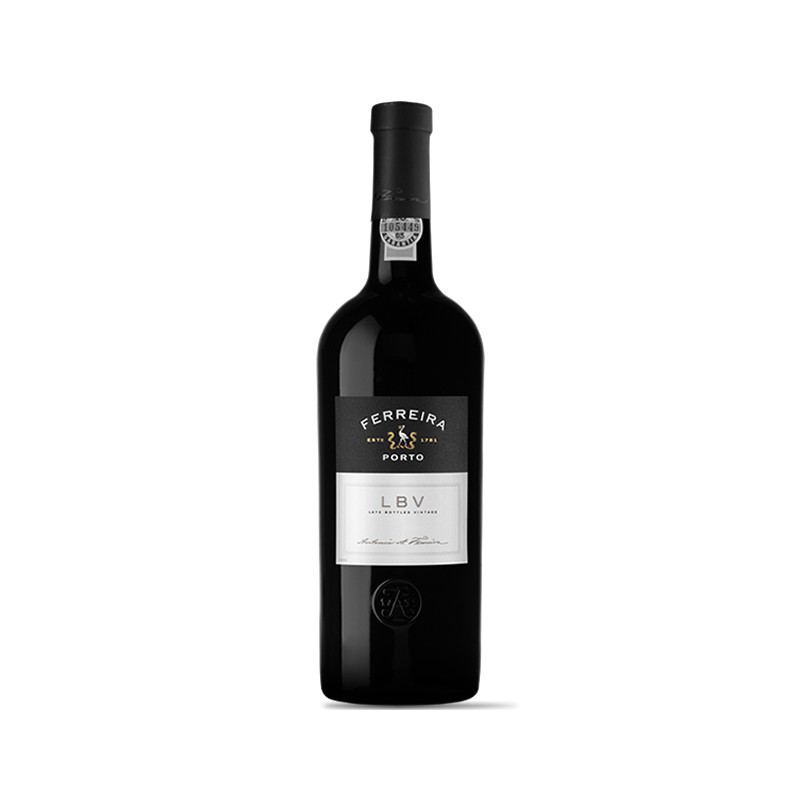
White Port wine and its characteristics: a concrete example on Vinoso.shop
On our store you’ll find a very useful reference to get a clear idea: Porto Branco Ferreira . The product page indicates a straw-yellow color, an intense and fresh bouquet with floral and fruity notes, and a delicate, well-balanced palate. It also states that the wines in the final blend have 2–5 years of ageing and that the product goes through a period of ageing in wood to add complexity.
From here on, we’ll use White Port wine as a compass: I’ll show you which traits to look for (especially if you like a White with high acidity and a clean finish), how to serve it, and how to pair it without guessing.
White Port wine: its Douro origin and how a fortified White is made
White Port wine in the Douro: where it’s made and why it matters
In the glass you’ll find northern Portugal: White Port wine is produced in the Demarcated Douro Region and, historically, many houses also age and manage their blends in lodges in Vila Nova de Gaia.
White Port wine production: fortification and residual sugars
The key point is fortification: the fermentation of the must is stopped by adding aguardente (grape spirit), which raises the alcohol level and preserves part of the grape’s natural sugars. This technical choice determines the final style: drier or sweeter, always with the “warm” structure typical of fortified wines.
When you read a product page online, always check three items: ABV, style (dry/medium/sweet if indicated), and the type of ageing. These practical details explain far more than any generic description.
White Port wine and high acidity: why it stays fresh even though it’s fortified
High acidity in White Port wine: what you actually taste
Not all fortified whites feel “light”: in White Port wine, the sense of freshness can be surprising, especially in well-chilled versions and those made in a less sweet style. Acidity (and perceived freshness) is what prevents a cloying effect and keeps the sip more dynamic.
White Port wine characteristics: balance between sweetness and lift
In Porto Branco Ferreira, for example, the page describes a “rich and full” profile but also “very well balanced”: that’s exactly what makes the topic White Port wine high acidity interesting. In practice, alcohol adds volume, residual sweetness rounds the edges, and the fresh component brings everything back into line.
If you want a more taut White, look for “dry/secco” when available, or pair it with salty foods (aperitifs, nuts, cheeses): they help you perceive the wine’s freshness more clearly.
How to drink White Port: temperature, glassware, and the Porto Tonic
White Port wine served neat: simple, precise service
To enjoy it at its best, start with temperature: White Port wine is best served cold, often around 8 to 10°C (as indicated in Vinoso’s Ferreira content). At that temperature, floral and fruity notes come forward, while the alcohol feels more integrated.
White Port wine in cocktails: the Porto Tonic (and variations)
Then there’s its aperitif side: White Port is perfect with tonic water in the classic Porto Tonic, or in more aromatic versions with a touch of gin. The trick is not to overdo sweeteners: ice, well-carbonated tonic, and a citrus twist are enough to highlight the White’s characteristics.
As for glassware, a white-wine glass or a roomy tumbler both work: choose what suits how you’re drinking it (neat or mixed).
White Port wine: practical pairings to enhance the White’s characteristics
White Port wine with aperitifs and savory bites: the easiest match
If you want it at the table without overthinking it, use a concrete rule: White Port wine shines with saltiness and light, creamy richness. Try it with toasted almonds, olives, delicate pâtés, or smoked-fish tapas: alcohol broadens the flavor, and freshness lifts the taste.
White Port wine with cheese and dessert: when to look for more sweetness
With cheese, go for not-too-intense blue cheeses or medium-aged styles; with desserts, prefer those based on nuts or creams, avoiding overly sugary recipes. In general, the sweeter the dessert, the more it helps to choose a White Port with a clearly round, mellow profile.
If you’re interested in how to pair and store Port after opening , Vinoso’s guides include useful tips: seal it well and keep the bottle cool to preserve aromas and freshness.
White Port wine Ferreira: what to know before buying Porto Branco online
Porto Branco Ferreira: key facts and characteristics shown on the product page
When you want to buy White Port wine online, a detailed product page makes all the difference. For Porto Branco Ferreira, Vinoso lists: bottle size 0.75 L, ABV 19.5%, appellation Porto Branco, region Douro, and Códega as the main grape variety. The description also includes useful profile details: straw-yellow color, floral and fruity aromas, and a balanced sip.
White Port wine ageing: why it affects the taste
Another concrete point is ageing: the product page mentions blend wines with 2–5 years of ageing and a period of ageing in wood that adds complexity. If you like rounder, more mellow whites, this is a strong clue; if you want maximum freshness, serve it colder and pair it with salty foods.
Helpful note: the page also reports awards/recognitions (for example a Robert Parker score), a sign that the product has been evaluated by industry critics.
Which Port is the best: how to choose between White Port, Ruby, and Tawny
White Port vs Ruby vs Tawny: differences that change your choice
The question “which Port is the best?” has a practical answer: it depends on when you drink it and what sensation you’re looking for. White Port wine is the most versatile for aperitifs and cocktails; it often feels fresher and more immediate, especially served cold.
When to choose a White: high acidity, cocktails, and savory pairings
If you want a more “wine-like” taste and less of a dessert finish, White is a sensible choice: perceived acidity and service at 8–10°C make it easy to fit into aperitif time, even with tonic. Ruby and Tawny, instead, are more often chosen for desserts, intense cheeses, or after-dinner moments.
To decide quickly: aperitif → White; chocolate and red berries → Ruby; nuts and caramel notes → Tawny.
Why choose White Port wine: useful traits for anyone who loves a White with high acidity
White Port wine: real versatility (not theory)
Unlike many “special-occasion wines,” White Port wine solves several situations: it can open a dinner as an aperitif, accompany a savory snack, and finish the meal with a not-too-sugary dessert. It’s a White that adapts because you can adjust perceived sweetness with temperature and mixing (neat or with tonic).
Online purchase: what to check so you don’t get it wrong
When ordering on Vinoso.shop, always check: ABV, serving suggestions, aromatic notes, and ageing information. These are concrete signals to understand whether you’ll get a softer or fresher White Port. And if your goal is “white wine high acidity,” remember that serving it cold and pairing it with savory foods helps highlight freshness.
The result? Fewer “random” purchases and more bottles that truly work with what you have planned.
Conclusion: White Port wine, how to recognize it and drink it well
In a few steps you can choose a White Port wine that fits you: read the product page, verify serving temperature and style, and immediately picture the pairing (savory aperitif, cheeses, dessert). With Porto Branco Ferreira you have a clear example of characteristics: straw-yellow, floral/fruity, balanced, and aged to add depth. Served at 8–10°C, the White becomes immediate and enjoyable; in a Porto Tonic, it becomes a fresh aperitif that’s easy to replicate at home.
Comments : 0