


Nebbiolo Red Wine: alcohol level and differences between styles

What Nebbiolo red wine is and why Nebbiolo Dancestro deserves attention
Nebbiolo wine between Langhe, La Morra, and the identity of Piedmontese red wine
There is a reason why Nebbiolo wine continues to intrigue those looking for a red with a clear personality: in the glass it combines recognizable aromas, a precise tannic texture, and a freshness that keeps it readable even when the structure becomes important. For those buying online, understanding where it comes from and how it is made helps with better choices, especially when facing labels that belong to the same grape variety but do not tell the same story.

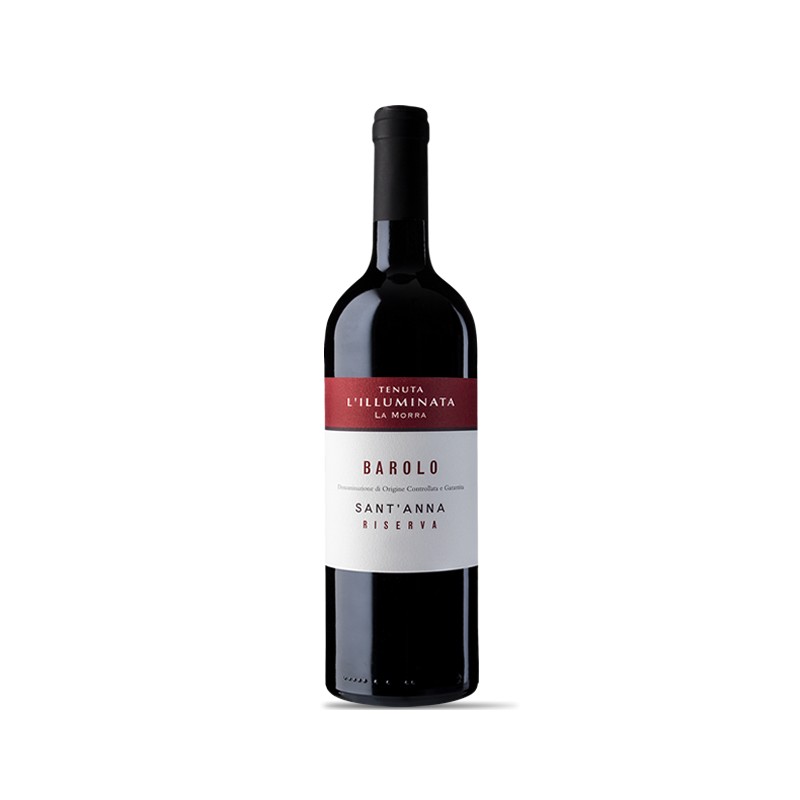
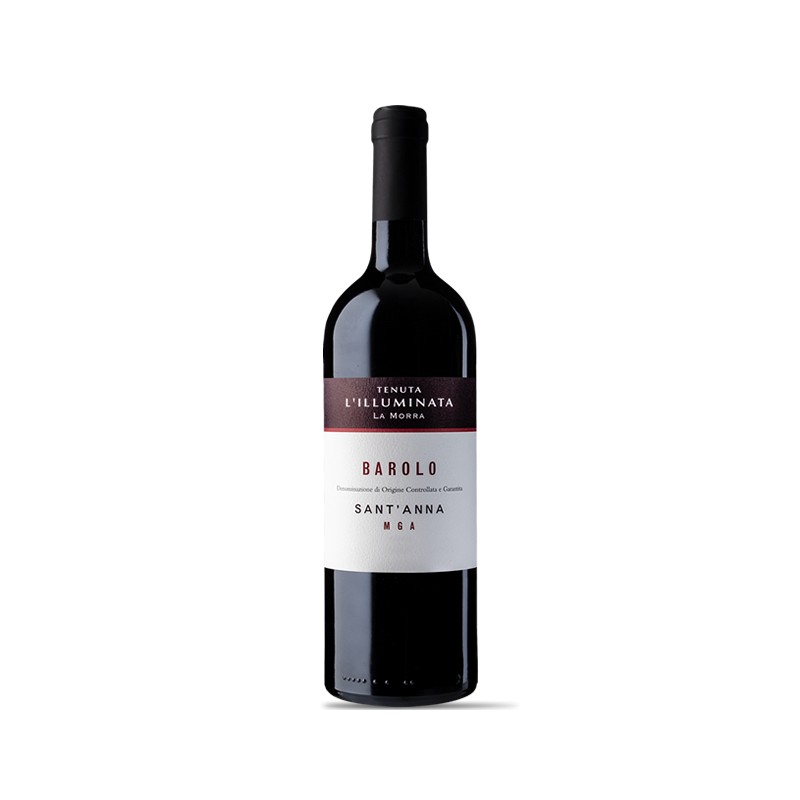
In the case of Nebbiolo Dancestro, the starting point is concrete. Vinoso.shop presents it as a Langhe Nebbiolo DOC from Tenuta L’Illuminata, produced in La Morra, in the heart of the Langhe. The brand page adds a useful detail for the reader: the estate has 10 hectares, with vineyards at around 250 meters of altitude and southwest exposure. This is important information because it explains the link between Nebbiolo wine, area of origin, and style.
Nebbiolo Dancestro: what this red label really communicates
A second aspect to consider concerns the wine’s profile. Nebbiolo Dancestro 2024 is 100% Nebbiolo, with the Langhe Nebbiolo DOC designation and 13% alcohol by volume. The description mentions an intense garnet red color, notes of rose, violet, cherry, and plum, followed by a full, elegant palate supported by soft tannins. Put simply, it is a red that allows you to get to know the character of Nebbiolo without starting from a more demanding type such as Barolo.
For the Vinoso.shop reader, this section is decisive because it immediately clarifies the scope of the article: when talking about Nebbiolo wine, we are not talking about a single style, but about a family of Piedmontese reds in which designation, commune, alcohol level, aging, and intended drinking style all matter. This is where the comparison with later styles begins, and it only makes sense after establishing these basics clearly.
Characteristics of Nebbiolo red wine: aromatic profile and structure
How to recognize Nebbiolo wine in the glass
As soon as the glass is raised, Nebbiolo wine stands out for an aromatic register that tends toward flowers and red fruit, often with hints of rose, violet, cherry, and plum. In Nebbiolo Dancestro these notes are stated clearly, becoming useful for those who want to navigate between technical descriptions and real sensations. The color, described as intense garnet red, suggests serious substance without heaviness.
On the palate, Nebbiolo is recognized above all for the combination of tannin and freshness. This is its strength: it is not by definition a soft red, but a wine that finds balance when the tannic component is well integrated. In Dancestro, the palate is described as full and elegant, with soft tannins and a persistent finish. For those who love reds that accompany the meal and prepare the palate for the next bite, this is a central trait.
Nebbiolo Dancestro and other styles: structure changes with designation and aging
Not all Nebbiolo wines move at the same pace. A Langhe Nebbiolo DOC like Dancestro often aims for accessibility, aromatic precision, and a more immediate reading of the grape. When moving to appellations such as Barolo or Barbaresco, stricter rules, longer aging periods, and a more layered expression come into play.
For this reason, talking about the characteristics of Nebbiolo wine without distinguishing the style risks being of little use. Those buying online need to understand whether they are looking at a red to drink with relative ease over the next few years, or at a bottle that needs more time, more oxygenation, and a more structured table. Nebbiolo Dancestro fits well into the category for those seeking varietal recognizability, drive, and an accessible price.
Nebbiolo wine and alcohol level: what really changes between different styles
How much alcohol level matters in Nebbiolo red wine
When choosing a red wine online, alcohol level is one of the most closely read pieces of information because it helps suggest structure, intensity, and performance at the table. For Nebbiolo Dancestro, the alcohol content indicated is 13.5%, a value entirely consistent with many Piedmontese Nebbiolos. However, it is not enough to read the number on the label: you need to understand how that figure fits into the wine’s overall profile.
In general, Nebbiolo can move around a medium-high alcohol range, but perception changes according to vintage, area, and winemaking style. A wine at 13% ABV can feel very balanced if acidity and tannin support the palate. This is exactly the point that interests the reader: not only asking how much alcohol Nebbiolo wine has, but how that alcohol translates into drinkability, rhythm, and pairing.
Differences in alcohol level between Nebbiolo Dancestro, Barolo, and other Nebbiolo reds
In comparing styles, Nebbiolo Dancestro is a clear reference point: 13% ABV, Langhe Nebbiolo DOC, elegant and immediate in style. Moving upward toward Barolo and Barbaresco, the alcohol level may increase, and above all the way the wine presents itself on the palate changes, thanks to greater concentration and longer aging periods.
The most useful difference to explain is therefore not only numerical. A young Nebbiolo or one with a more direct style tends to make itself understood earlier; a Barolo, although starting from the same grape variety, often arrives with greater tannic depth and slower evolution. In an SEO article oriented toward choice, this helps the reader move from technical information to a purchase decision.
Differences between Nebbiolo red wine styles
Young Nebbiolo and long-aging Nebbiolo
At this point the comparison becomes concrete. A Nebbiolo designed for a more immediate reading puts fruit, energy, and a tannic texture that is already fairly composed in the foreground. A wine destined for longer aging, on the other hand, builds its profile more gradually and needs more time to express itself at its best.
Nebbiolo Dancestro belongs to the first category: it is a red that shows the grape variety well without asking the consumer to wait too long. This does not mean simplification, but clarity of style. This is exactly where a specialized e-commerce site can help: presenting labels that allow entry into the Nebbiolo world with a more contained investment and a more immediate sensory reading.
Nebbiolo Dancestro, Barolo, and Barbaresco: same grapes, different results
Nebbiolo Dancestro, Barolo, and Barbaresco are all made from Nebbiolo grapes, but they are not the same thing. The decisive point is the designation. Barolo is a DOCG made from Nebbiolo in a specific area and with a minimum aging of 38 months, of which at least 18 in wood. Barbaresco, also from Nebbiolo, requires at least 26 months of aging, of which at least 9 in wood.
Compared to these two types, a Langhe Nebbiolo DOC like Dancestro often offers a more agile access point to the grape variety. The reader does not need to memorize every regulatory detail: it is enough to know that, even with the same grape, the area, rules, and result in the glass change. These differences are what determine price, complexity, and drinking occasion.
Nebbiolo red wine at the table: why it works with braised beef
There is also a practical aspect that matters a lot to the Vinoso.shop audience: pairing. Nebbiolo, thanks to its tannin and freshness, pairs well with red meats, roasts, and autumn dishes. From this perspective, the link with braised beef is natural, because the structure of the wine supports the succulence of the dish without weighing down the sip.
In the case of Nebbiolo Dancestro, the tasting description suggests a balance also suited to those looking for a red capable of accompanying the meal throughout dinner. There is no need to push toward examples far from the catalog: it is enough to stay on the right theme, namely a Nebbiolo red that enhances meat dishes, mushrooms, and aged cheeses, while always remaining consistent with the site’s offering.
How to choose a Nebbiolo red wine online on Vinoso.shop
What to look at before putting a Nebbiolo wine in the cart
Before price, it is worth reading four elements: designation, vintage, alcohol level, and commune of origin. In Nebbiolo Dancestro the information is clear: Langhe Nebbiolo DOC, two vintages available, 2023 and 2024, perfect for comparison, same vineyard of origin in La Morra. These details alone already show that this is not a generic red, but a bottle with a well-defined territorial identity.
Another useful aspect is the sensory description. When the product sheet explains that the wine offers floral and fruity notes, soft tannins, and a persistent finish, the user has more tools to imagine whether that profile suits their taste. Online, the best choice starts exactly here: reading fewer labels, but reading them better.
Why Nebbiolo Dancestro is a focused choice for those buying red wine online
From the point of view of the relationship between style and price, Nebbiolo Dancestro is interesting because it stays within an accessible range without losing recognizability. On Vinoso.shop the indicated price is 15.00 euros, with progressive discounts for quantity. For those who want to enter the world of Nebbiolo wine without starting from a higher spending level, this is a concrete and easy threshold to evaluate.
There is also the advantage of range consistency. The same estate also produces Barolo DOCG, so the reader can build a logical path: start with a Langhe Nebbiolo DOC like Dancestro and, if the style is convincing, move up to more structured expressions from the same area. It is a simple but effective way to turn curiosity into an informed choice.
Nebbiolo wine price: how much it costs and what it depends on
How much a bottle of Nebbiolo wine costs
The price of Nebbiolo wine varies greatly according to the designation. A Langhe Nebbiolo DOC like Nebbiolo Dancestro starts at 15.00 euros on Vinoso.shop, while in the same selection a Barolo from Tenuta L’Illuminata rises to 34.40 euros. This gap helps immediately show that you are not paying only for the name of the grape variety, but for the level of designation, the aging time, and the bottle’s positioning.
For the final consumer, the entry range is therefore fairly readable: Nebbiolo can be approached through labels at a contained price, while more ambitious versions require a higher budget. In a well-organized e-commerce setting, this difference becomes an advantage, because it allows choice according to occasion and not only out of curiosity.
What the price difference depends on between Nebbiolo Dancestro and higher styles
Three factors weigh more than others: designation, aging time, and bottle reputation. A Langhe Nebbiolo DOC tends to have a more accessible threshold than a Barolo DOCG, which comes from a delimited area with stricter rules and a longer minimum aging period before release.
The producer also matters, but the reader mainly needs a practical rule: if they are looking for a Nebbiolo wine to discover, Dancestro is a credible entry point; if they are looking for a deeper bottle to give as a gift or to keep in the cellar, then the move to Barolo or Barbaresco becomes coherent. In this framework, price stops being an isolated number and becomes useful information.
Conclusion: why Nebbiolo red wine remains a precise choice
In the end, the value of Nebbiolo wine lies in its ability to offer different styles starting from a very recognizable varietal identity. Nebbiolo Dancestro shows this well: it is a Langhe Nebbiolo DOC from La Morra, 100% Nebbiolo, with a floral and fruity profile, soft tannins, and an immediate reading of the grape variety.
For those buying on Vinoso.shop, this bottle has a concrete advantage: it allows you to understand what you like about Nebbiolo before moving up to more structured and more expensive reds like Barolo. In other words, it is not just an easy purchase; it is a sensible starting point for learning to distinguish alcohol level, style, structure, and occasion of consumption within the world of Piedmontese reds.
Comments : 0