


Peach-colored Rosé Crémant wine: how to choose it and recognize the best one

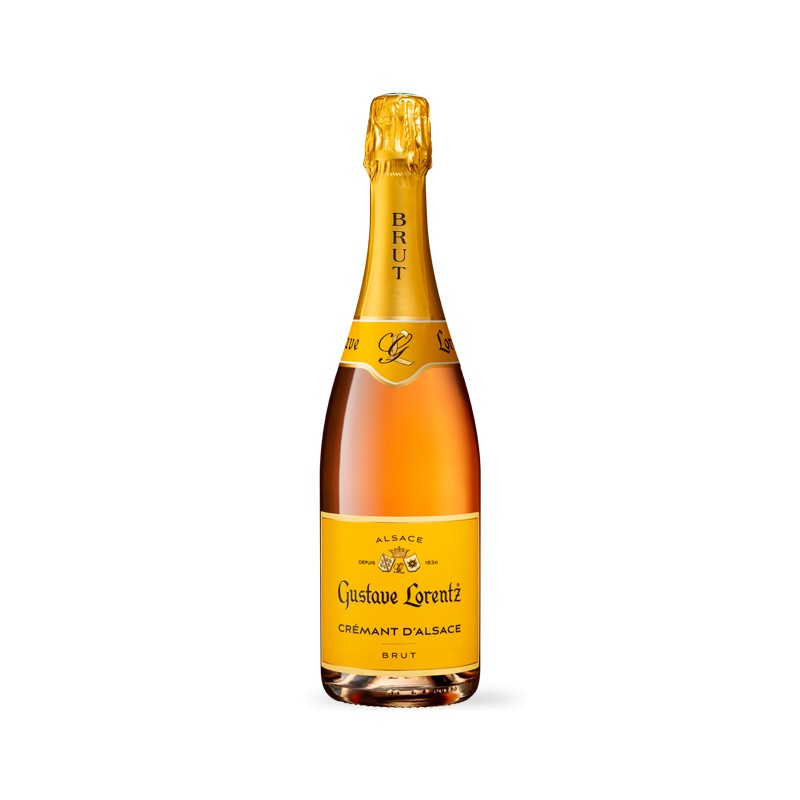
One well-served glass is enough to understand why rosé Crémant wine is gaining more and more space among those looking for elegant bubbles without entering Champagne territory. In the case of Gustave Lorentz Crémant d’Alsace Brut Rosé, the starting point is clear: 100% Pinot Noir, traditional method, and a delicate, luminous pink color that immediately recalls the idea of peach rosé. For an audience buying online, this detail really matters, because the choice often depends on the technical sheet, the bottle style, and the wine’s ability to adapt to different occasions, from aperitif to the table. In this guide, you will find useful criteria for reading a label more clearly, recognizing a well-made style, and understanding when a rosé Crémant is the most convincing choice.

What Rosé Crémant wine is and why it is increasingly appreciated
Origin of rosé Crémant wine in Alsace
When talking about Crémant wine, you enter the world of French sparkling wines produced with secondary fermentation in the bottle outside Champagne. Crémant d’Alsace, recognized as an AOC in 1976, comes from a cool and well-suited region, where grape acidity remains a central element of the final style. This matters because the sip is more taut, more fluid, and often more immediately enjoyable. In Alsace rosé, moreover, the regulations are very precise: rosé wines are made exclusively from Pinot Noir. It is exactly this foundation that makes the profile coherent with the idea of a fine rosé, with delicate bubbles and measured fruit, avoiding sensations that are too heavy or too intense. For those who want to better understand the production and stylistic context, it may also be useful to read Crémant d’Alsace, the French sparkling wine that enchants.
The peach color in rosé Crémant wine
At first glance, the detail that catches the eye most is the shade. A well-focused rosé Crémant wine does not aim for an intense pink, but for a subtler, brighter, and more transparent hue. The Crémant d’Alsace regulations describe rosés as having a color of variable intensity, often clear and light, while the Vinoso sheet for Gustave Lorentz Brut Rosé speaks of a delicate pink color with fine and persistent bubbles. For those wanting to choose a peach-colored rosé online, this is the right signal: not a heavily colored wine, but an elegant style, visually refined and coherent with careful winemaking. In practice, the color already tells the direction of the wine even before tasting.
Rosé Crémant wine: characteristics, aromas, and taste
Typical aromatic notes of rosé Crémant wine
In the glass, rosé Crémant wine plays mainly on precision. The profile should not be overwhelming: notes of small red fruits, citrus peel, and a discreet floral hint work best. If aging on the lees is well managed, softer tones such as toasted bread or light brioche may also emerge, without covering the freshness. The interesting part is precisely this balance: the fruit remains readable, but it is supported by a continuous bubble and by a structure that is never heavy. Those looking for a good peach-colored rosé usually appreciate exactly this combination, because it allows the wine to be refined as an aperitif and credible at the table as well.
Structure, freshness, and perlage of Crémant wine
More than power, what matters here is the rhythm of the sip. Crémant d’Alsace is based on a natural acidic backbone, also indicated in the regulations as a distinctive trait of the denomination. In rosé, this means clear freshness, fine mousse, and a finish that remains clean. The Gustave Lorentz Brut Rosé sheet adds a useful detail for interpreting the style: at least 18 months sur lie, therefore an aging period that helps the wine gain precision, complexity, and a more orderly perlage. For those buying online, these details are concrete: clearly stated lees aging and a Brut dosage suggest a versatile sparkling wine, able to prepare the palate without weighing it down.
How to choose a peach-colored Rosé Crémant wine
Quality criteria for Crémant wine
Before putting a bottle in your cart, it is worth checking a few simple but decisive elements. The first is the denomination: Crémant d’Alsace AOC indicates a precise production framework. The second is the grape variety, especially in rosé, where Pinot Noir is the correct reference. Right after that comes the sparkling wine method, which in the Vinoso sheets is indicated as the traditional method. Finally, dosage matters: Brut for a more open and gastronomic style, Zero Dosage for those who prefer a tighter and drier profile. These are apparently technical details, but they actually help you buy better, because they explain whether the wine will be softer, more direct, or more suitable for certain pairings.
How to recognize a truly successful peach-colored rosé
Not all pale rosés communicate the same quality. A successful peach color should appear bright, transparent, and coherent with a subtle bubble. If the shade is delicate but dull, or if the perlage seems coarse, the overall effect immediately loses elegance. In the case of rosé Crémant wine, the delicate shade is credible when paired with a fresh aromatic reading and a slender palate. In other words, appearance alone is not enough, but it can be a very good guide. For those buying online, a clear product sheet with a sharp photo, declared grape variety, and detailed production style reduces uncertainty and makes the choice more informed.
Three useful references on Vinoso.shop
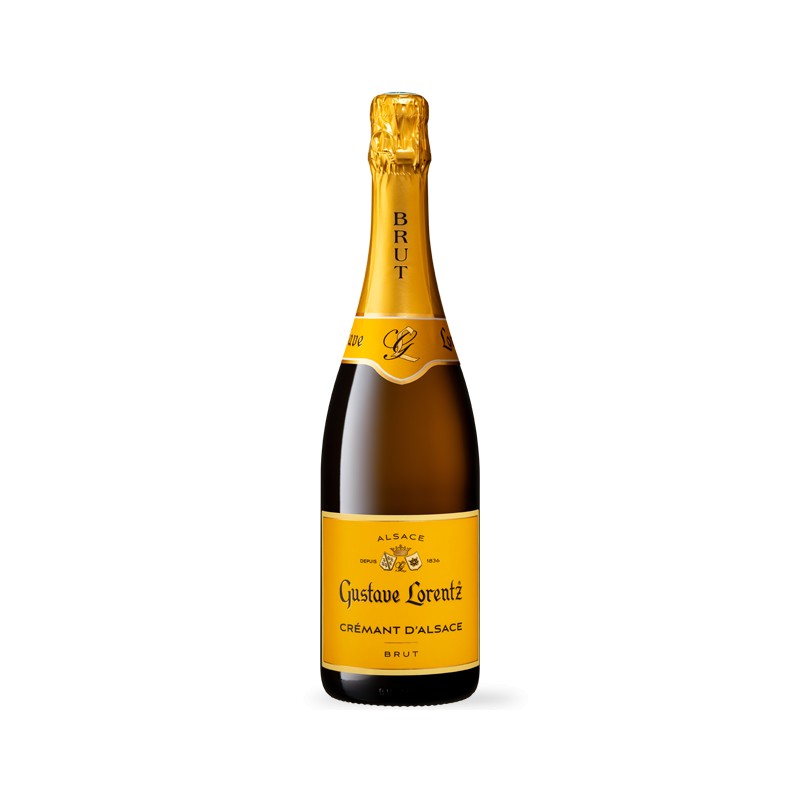
Among the labels already present on Vinoso.shop, Gustave Lorentz Crémant d’Alsace Brut Rosé is the most direct reference for those looking for a peach-colored rosé: 100% Pinot Noir, Brut dosage, and a very linear style. Beside it, Crémant d’Alsace Brut from the same house helps in understanding the difference between rosé style and white style, especially on the aromatic level. Finally, the Brut-Rosé-Zero Tasting Box is a practical solution for comparing three different readings of Crémant without guessing. For an e-commerce store, this is a strong point: offering choice, but also simple tools to navigate between tastes, dosages, and drinking occasions. For those who want to go into more detail about the house’s labels, it may also be useful to read the best Gustave Lorentz Crémant d’Alsace wines.
Differences between Rosé Crémant wine and Champagne
Production method: what really changes
The comparison with Champagne is inevitable, but it should be made in the right way. Both are made with secondary fermentation in the bottle, so they share the principle of the traditional method. The main difference is the geographical and regulatory denomination: Champagne identifies a precise French area, while Crémant is a family of AOC sparkling wines produced in other regions, such as Alsace. This does not mean less production seriousness, quite the opposite. In Crémant d’Alsace, the regulations impose specific rules on production, the sparkling process, and the minimum aging and release times. For the reader, the useful summary is simple: the method is a close relative, but the territorial identity and commercial positioning are not the same.
Price, style, and occasions for use
From a practical point of view, rosé Crémant wine is often chosen because it offers a more accessible entry into the world of French traditional-method sparkling wines. The price tends to be lower than many Champagne labels, but the result can still be very polished, especially when there is good raw material and well-managed aging. In addition, rosé Crémant has an ease of use that works in its favor: it suits an informal dinner, an aperitif with aesthetic care, or an elegant but not excessive gift. Those looking for a bottle that is beautiful to look at and enjoyable to drink often find here a convincing balance between style, recognizability, and spending.
Perfect pairings with Rosé Crémant wine
Foods that enhance rosé Crémant wine
At the table, rosé Crémant shows its best with dishes where freshness and delicacy must remain in the foreground. It works well with refined finger food, smoked salmon, shrimp, fish tartare, and light preparations where the bubbles can add momentum without covering the dish. The dialogue with mildly spiced Asian cuisine is also interesting, because acidity and measured fruit can support clear flavors and different textures. The Vinoso sheets indeed mention Eastern pairings, a useful indication for those wanting to move beyond the usual matches. The advantage of this style lies precisely in its versatility: it accompanies the food, prepares the palate, and maintains the rhythm of the meal.
When to choose a peach-colored rosé
Beyond pairings, context matters too. A peach-colored rosé Crémant wine is perfect when you want a bottle that makes an impression in a restrained way. It fits a spring toast, a dinner with friends, a refined aperitif, or a celebration where the visual detail matters but must not become ostentation. The pale color, in fact, immediately communicates lightness and precision. In addition, the Brut dosage allows the wine to be served from the beginning of the meal through medium-intensity dishes, without having to reserve it only for the toast. It is a choice that combines aesthetics and practicality, two elements that often make the difference online.
Tips for serving and storing Rosé Crémant wine
Temperature, glass, and service
To truly appreciate rosé Crémant wine, there is no need to complicate things, but a few details change the result. The ideal temperature remains around 6–8 °C: too cold and the aromas close up, too warm and the bubble loses precision. The glass also matters more than it seems. A slender glass helps the perlage, but a slightly wider shape than a narrow flute allows the aroma to be read better. When opening, it is best to rotate the bottle and not the cork, letting the pressure out gradually. These are simple gestures, yet they make the sip more harmonious and help the wine express the finesse that justifies choosing a good Crémant.
Mistakes to avoid
Often the problem is not the bottle, but how it is treated. Keeping rosé Crémant wine in the freezer for hours is a common mistake: it lowers the temperature too much and penalizes aromatic expression. Another mistake is storing the bottle for a long time in very bright or warm environments, especially if it was purchased in advance for an event. A cool, stable place away from light is better until the moment of service. Even after opening, it is best not to wait too long: perlage is part of the experience, so the wine should be enjoyed when the mousse is still lively and orderly.
Conclusion: why choose a peach-colored Rosé Crémant wine
In the end, the point is not only to find a rosé that looks beautiful. A good peach-colored rosé Crémant wine brings together clear origin, traditional method, well-defined freshness, and a style versatile enough to accompany different moments. Gustave Lorentz Brut Rosé responds well to this idea because it combines 100% Pinot Noir, pale color, fine perlage, and a reading of rosé that remains elegant without becoming fragile. For those buying online, these are exactly the clues that make the difference: a complete product sheet, readable information, and a taste profile coherent with the bottle’s image. If the goal is to choose a refined, accessible French sparkling wine that is easy to fit into everyday life, rosé Crémant truly deserves attention.
Comments : 0