


Winter Wine: Which Wines to Drink in Winter

Winter wine: why tastes and choices change in winter
When it’s cold outside, wine is perceived differently: low temperatures reduce aromatic impact and naturally lead us to look for warmth, texture, and comfort in the glass.
That’s why talking about winter wine isn’t a trend, but a practical approach to choosing: it means focusing on wines that truly work on cold evenings, alongside richer dishes and longer meals at the table.
On Vinoso.shop, it can be useful to start from style (body, freshness, aromatics) and the occasion (dinner at home, weekend, gift), instead of chasing complex labels or short-lived trends.
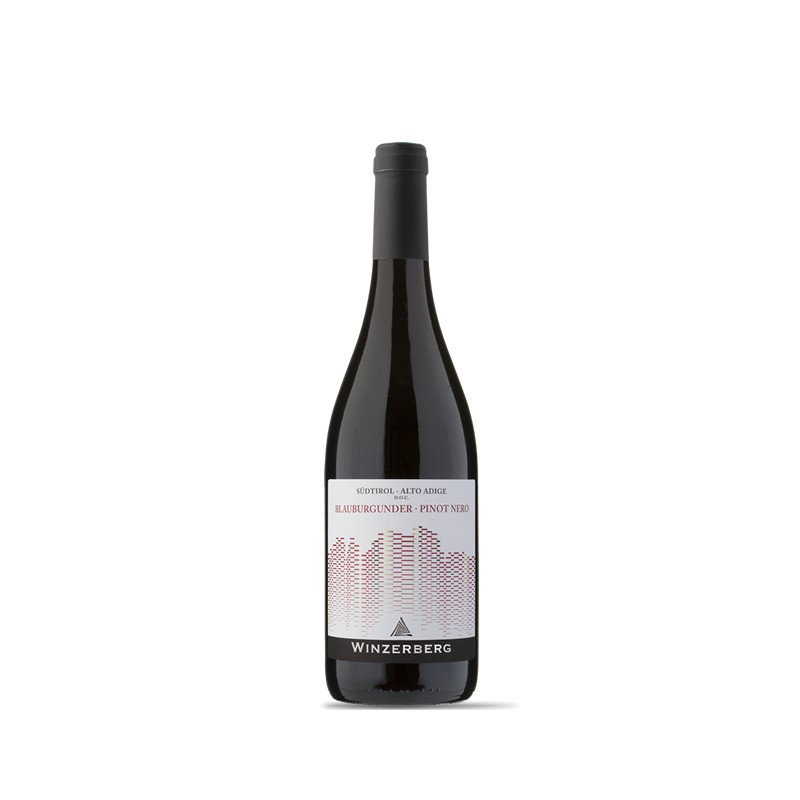
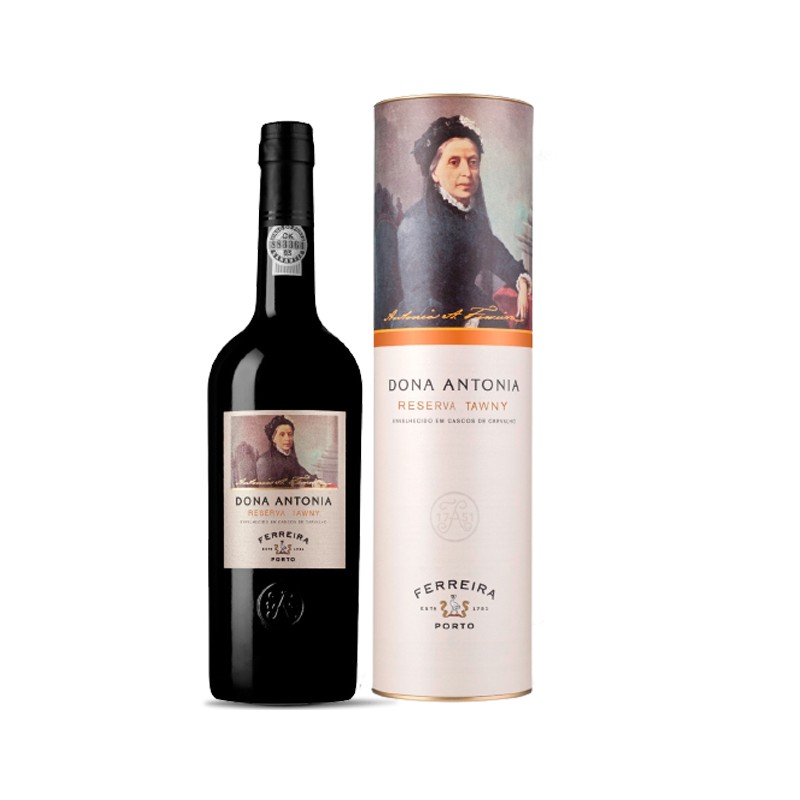
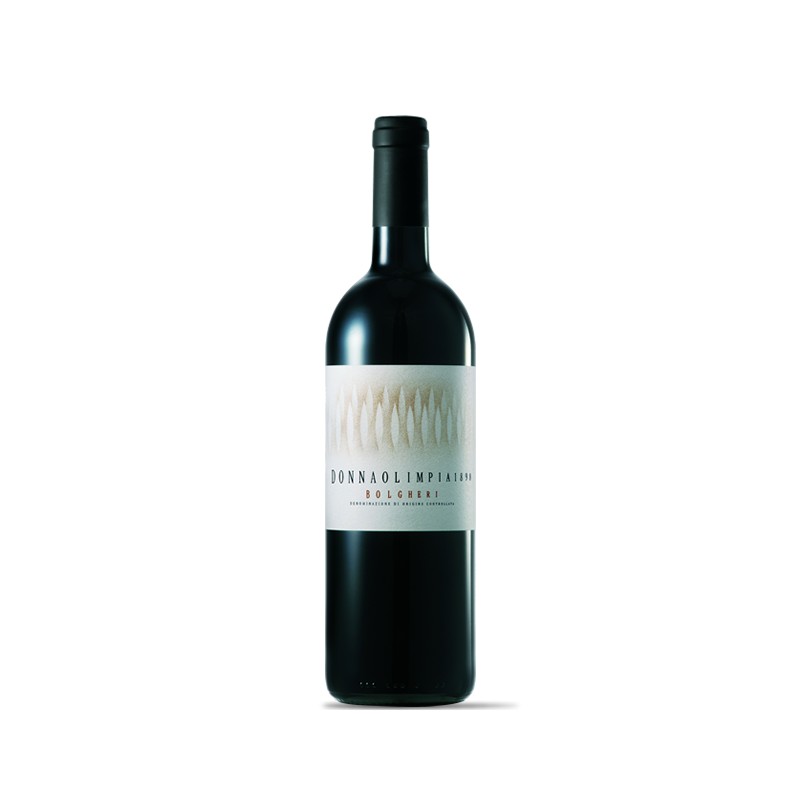
What to drink in winter: how to choose the right winter wine
Winter wine and serving temperature: the detail that changes everything
In winter it’s easy to fall into two opposite mistakes: serving reds too warm and whites too cold. Both choices penalize the wine: heat amplifies alcohol and heavy sensations, while cold shuts down aromas and flavor.
A practical rule is to serve reds around 15–18 °C and whites or rosés between 10–12 °C. These ranges are also indicated by OIV guidelines for tasting and work well at home, too.
Winter wine and drinking occasions: weeknights, weekends, special moments
During the week, you often want a wine that pairs with dinner without tiring you out. On weekends, there’s more time: a wine with more structure can be enjoyable, as long as it stays balanced.
For a dinner with guests, the most universal choice is a wine with a clean, recognizable profile: clear freshness, defined aromas, and a harmonious finish.
Winter wine and pairings with seasonal dishes
Winter wine with warm, structured dishes
Soups, baked dishes, roasted meats, and preparations with sauces call for wines that can keep up. Generally, medium-bodied reds or more structured reds work well, with non-aggressive tannins and good acidity.
If you prefer white wine, look for fuller, more intense whites: they’re great with vegetables, flavorful fish, and cheeses—even in the heart of winter.
Winter wine for casual dinners: versatility first
When the menu is mixed—starters, a first course, a light second—the ideal winter wine is one that adapts: not too tannic and not overly aromatic, with good drinkability and a fresh finish.
A simple tip: if you already like a wine on the first sip, even without food, it’s more likely to work well at the table. If dinner runs long, a balanced wine beats one that’s too powerful.
Winter wine: white, red, or sparkling?
Winter red wine: when it’s the natural choice
Red wine is often associated with winter because it offers a warming sensation and pairs well with rich dishes. The key is not to overdo alcohol and concentration: an overly powerful red can become tiring quickly.
Winter white wine: when it works even in the cold
White wine isn’t only for summer. In winter it can be perfect, especially with fish, vegetables, light soups, and cheeses. Choose whites with structure and aromatics, served at the right temperature to keep them expressive.
Winter wine and sparkling: not just for celebrations
Dry sparkling wines are a wildcard even in winter: they stimulate appetite, open up the palate, and adapt to fried foods, starters, and multi-course dinners. If you want just one wine for the whole evening, they’re often a smart choice.
Winter wine and aromas: how to read them without getting stuck
Why some wines feel “warmer”
Spicy aromas, toasted notes, and riper fruit convey an enveloping sensation that feels especially pleasant in winter. Greener, more citrusy profiles can seem sharper: it’s not a flaw, but a stylistic choice.
Which wine smells like “cat pee”? Understanding the aroma without bias
The phrase “cat pee” often comes up when talking about Sauvignon Blanc. It’s a provocative description, but it has a technical basis: certain aromatic compounds can recall notes of boxwood, broom, or animal-like nuances.
This doesn’t automatically mean the wine is flawed. It depends on style, grape ripeness, and winemaking choices.
Sauvignon and distinctive aromas: a simple explanation
Sauvignon aromas come from different families of molecules. Methoxypyrazines create green notes (grass, tomato leaf), while varietal thiols bring more intense aromas such as citrus, tropical fruit, and boxwood.
Some thiols have very low perception thresholds: at higher concentrations they can feel pungent. In winter, Sauvignon works well when it’s used to “cut through” fattier or more aromatic dishes—provided it’s served cool but not ice-cold.
How to choose a winter wine online on Vinoso.shop
Winter wine: three practical filters
To avoid confusion, use three simple criteria: type (red, white, sparkling), structure (light, medium, full-bodied), and occasion (dinner, gift, weekend).
- Check the ABV: very high values bring more warmth, but can be tiring.
- Read the tasting notes looking for “actionable” words: fresh, savory, structured, spicy, creamy.
- If you’re unsure, choose a versatile wine and pair it with a dry sparkling wine for the aperitif.
Winter wine: how much to spend to drink well
You don’t have to chase the highest price to get quality. In winter, the difference is coherence: a wine that fits the menu, served well, and explained simply.
Conclusion: winter wine, simple pleasure on cold evenings
Winter wine isn’t a list of “correct” labels, but a conscious choice of style, temperature, and context. If the wine is served properly and paired logically, even a simple bottle can become memorable.
Start from your menu, choose the profile you truly enjoy, and use Vinoso.shop to filter quickly: in winter, balance and drinkability win—not excess.
Comments : 0