


Mineral wine: a complete guide to understanding what it is and how to recognize it

What is meant by mineral wine: meaning and use of the term
What it means when a wine is “mineral”
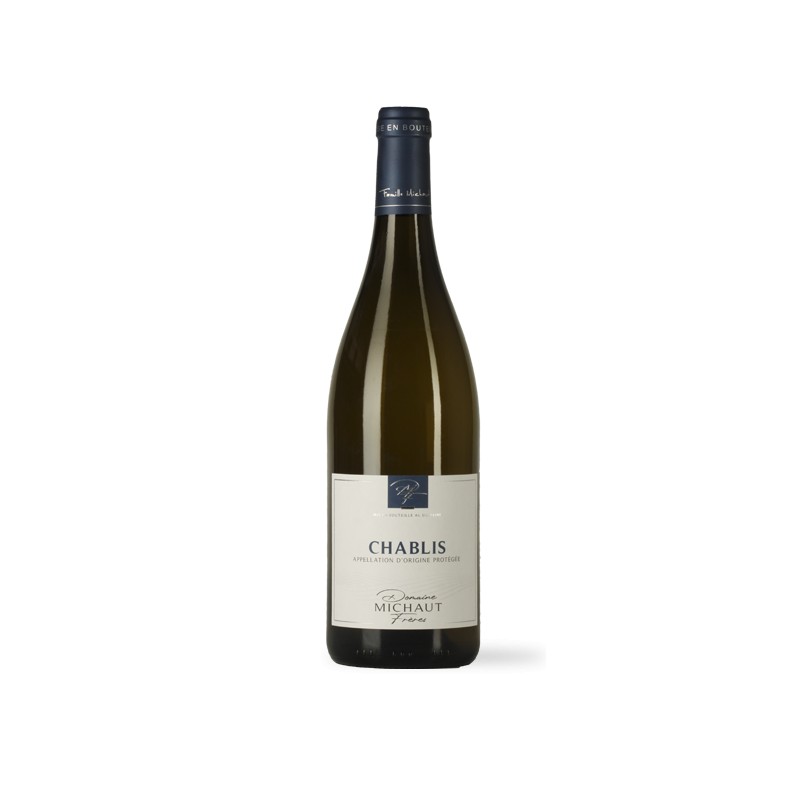
Some bottles “smell like stone” from the very first sniff: that’s where curiosity about mineral wine comes from. In tasting, minerality is a practical way to describe sensations such as chalk, flint, or a light salty imprint—not a list of dissolved minerals that you can literally perceive as such. In the case of Chablis, Vinoso.shop links mineral elegance to a very concrete context: a harsh continental climate and soils rich in marine fossils from the Kimmeridgian period, which contribute to freshness and tension on the palate.
Mineral wine: an aromatic descriptor or a real characteristic?
In practice, the term mineral wine works like a compass: it helps you recognize a drier, more direct, cleaner style. This section is meant to set the correct meaning of the keyword, so you can read product sheets and tasting notes without misunderstandings—especially when buying online and the only “taste” available is the description.
Where the sensation of minerality in mineral wine comes from
Soil, climate, and grape variety: the context of mineral wine
The starting point is the environment: limestone soils or fossil-rich soils, altitude, temperature swings, and ventilation can favor wines that feel more taut and vertical. In the Vinoso.shop article about Chablis, minerality is attributed precisely to Kimmeridgian soils with marine fossils and to a severe continental climate—elements that push the profile toward freshness and precision.
Fermentation and winemaking: how minerality is preserved
The cellar matters too: reducing oak influence and working in stainless steel can keep the wine’s character sharper. On Vinoso.shop, Chablis style is described as essential, with little oak for many cuvées and lots of stainless steel, plus aging on the lees to highlight fruit purity and a mineral profile. The aim here is to explain which technical choices make minerality more readable in the glass.
Infographic: what contributes to the perception of “mineral wine”
Soil
Limestone, fossils, marl, and soil composition can favor wines that feel more taut and “vertical”.
Grape variety
Some grapes make freshness more “readable”: dry, crisp profiles with a savory finish.
Climate
Temperature swings, ventilation, and cooler temperatures support precision and tension.
Winemaking
Stainless steel and “clean” choices (less oak) keep the profile more essential and direct.
Serving
Correct temperature and the right glass help you perceive salinity and the mineral “trail”.
Note: “Mineral” describes sensations (chalk, stone, salinity), not literally “dissolved minerals” perceived in a literal way.
Which wines are the most mineral: concrete examples and recognizable styles
Best-known mineral white wines
When people ask which wines are the most mineral, they’re often talking about taut whites that finish dry and leave the palate clean. Chablis is a useful reference because Vinoso.shop describes flint or chalk notes and a vibrant freshness that makes the wine immediately recognizable. To navigate the shop, the white-wine section helps you explore similar styles, starting from areas and grape varieties known for more linear profiles.
Do mineral red wines exist?
In reds, minerality is perceived differently: more as an iron-like trait or a wet-rock sensation than as citrus and chalk. In any case, it’s useful to look for coherent descriptions (tension, savory finish, clarity) and not confuse minerality with tannin or toasty notes.
Mineral wine and tasting: how to recognize it in the glass
Typical aromas and sensations of a mineral wine
On the nose, a mineral wine often recalls flint, chalk, or a salty trail; on the palate, the most evident sensation is freshness that lengthens the sip. In the case of Chablis, Vinoso.shop mentions citrus, green apple, and a distinctive flint or chalk note, with a persistent, clean finish: it’s a useful profile for fixing a concrete vocabulary.
Common mistakes when perceiving minerality
It’s easy to mistake minerality for acidity alone: in reality, the savory component is different from a simple sharp sensation. Another frequent mistake is serving the wine too warm: at higher temperatures, softness and alcohol stand out, while the typical tension of mineral wine becomes less defined. This part is meant to make tasting more reliable, even for those approaching the topic for the first time.
Ideal food pairings with mineral wine
Dishes that enhance a mineral wine
With food, minerality works best when it meets clean flavors and precise cooking: fish, shellfish, and preparations with lemon or aromatic herbs. The reason is practical: freshness and a salty trail help reset the palate and keep pace with the dish without weighing it down.
When to avoid pairing with mineral wines
It’s better to be careful with very spicy dishes or those with sweet-and-hot sauces: salinity can amplify unpleasant contrasts. If the dish is particularly fatty or creamy, you may need a white with more volume or a wine with aging that provides greater roundness.
How to choose a mineral wine online on Vinoso.shop
What to look for in a mineral wine product sheet
To choose a mineral wine online, the product sheet is your guide: look for explicit references to freshness, saline notes, or stone-like cues, then cross-check area, grape variety, and winemaking style. If you see “stainless steel” or “aging on the lees,” the aim is often to keep a sharper, more vertical profile.
A concrete example on Vinoso.shop: Il Pestifero Bio
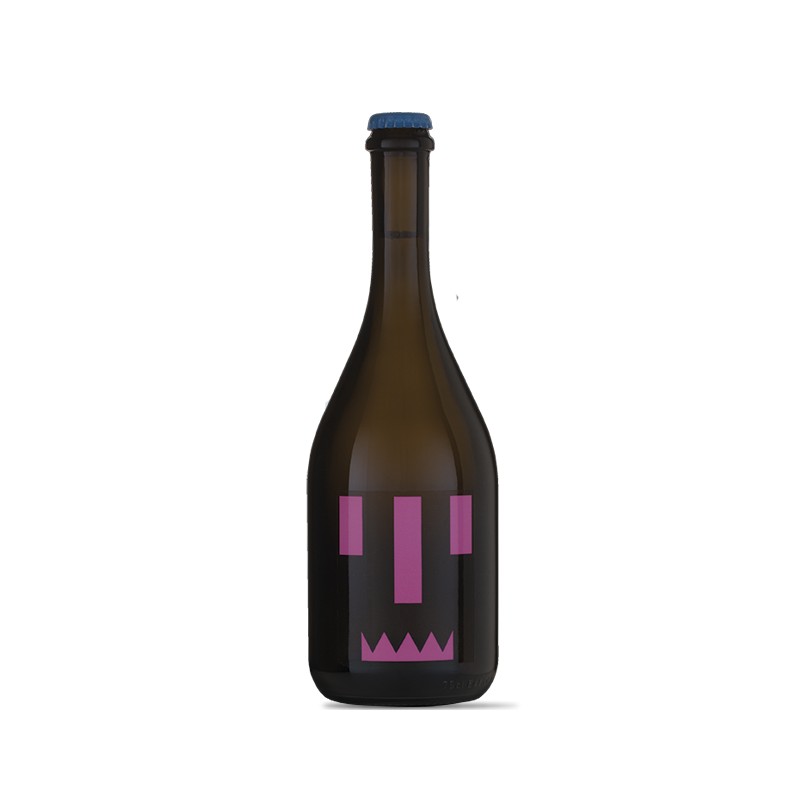
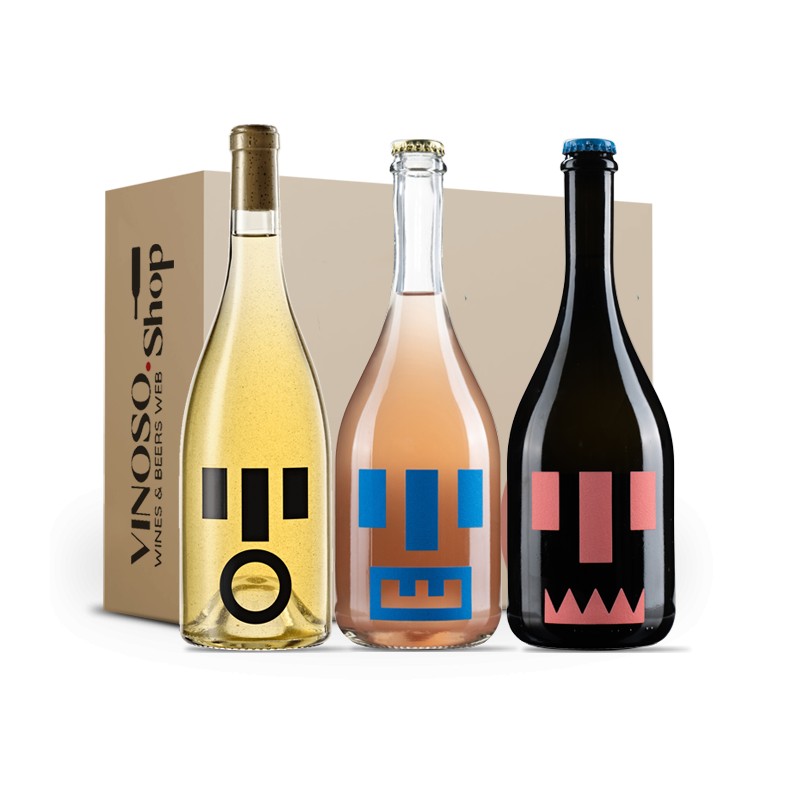
A useful case is “Il Pestifero Bio NV” by Monster’s Wine Tavignano: Vinoso.shop describes it as an organic sparkling white (Marche IGT), with a blend of Verdicchio 70%, Malvasia 15%, Sangiovese 15% and bottle fermentation using the ancestral method. The description includes freshness and minerality linked to the soils and the hilly context of Tavignano, as well as fine bubbles and lively acidity. The aim of this section is to turn the concept of mineral wine into verifiable criteria that are useful at the time of purchase.
Conclusion: why mineral wine is an increasingly sought-after style
Ultimately, talking about mineral wine means recognizing a style: a clean profile, evident freshness, and a finish that recalls chalk, stone, or salt. The examples on Vinoso.shop help make the word concrete: Chablis is linked to Kimmeridgian soils and flinty notes, while Il Pestifero Bio shows how even a sparkling white can express minerality through terroir and production choices. From here on, choosing becomes easier: read the product sheet, verify the winemaking style, and look for descriptions consistent with what you want in the glass.
Comments : 0