


Red wine alcohol content: how to read a red wine’s ABV

Red wine alcohol content: what ABV indicates in red wine
What is the alcohol level in red wine and how it is expressed
There’s a number on the label that immediately changes your expectations of what’s in the glass: red wine alcohol content. A red wine’s alcohol level is expressed as a percentage by volume (% vol) and tells you how much of the liquid is alcohol. On online product pages it’s often listed among the technical details, precisely because it’s practical information: it helps you understand whether you’re choosing a lighter red or a more intense one.

Why red wine alcohol content is key information for consumers
From a taste perspective, alcohol influences the sensation of warmth, roundness, and perceived body. This section frames the keyword “red wine ABV characteristics” with a simple criterion: there is no single “right” ABV for everyone, but there is a value that fits the occasion (aperitif, dinner, gift) and your personal drinking style.
What red wine alcohol content depends on: natural and production factors
Infographic: what red wine alcohol content depends on
Grape variety
Different varieties have different sugar potential and ripening profiles.
Ripeness (sugars)
More ripeness = more sugars in the grapes = more potential alcohol after fermentation.
Fermentation (yeasts)
Yeasts convert sugars into alcohol: if fermentation goes to completion, % vol increases.
Style (dry)
A dry style consumes more sugars during fermentation: the result is often a more “readable” alcohol level.
Result (% vol)
The final ABV is the synthesis of grapes (sugars), vintage, and fermentation management.
Quick scale 11–15% vol (indicative)
Note: this scale is indicative and is meant only as a quick guide for e-commerce readers.
Grape variety, ripeness, and sugars: where a red wine’s alcohol level comes from
First of all, alcohol content comes from grape sugars: more ripeness means more sugars and, during fermentation, more potential alcohol. Different varieties, yields, and vineyard management therefore lead to different results even within the same area. The key idea is concrete: the more the grapes reach the winery perfectly ripe and rich in sugars, the higher the red wine’s alcohol level will be.
Climate and terroir: why some red wines have higher alcohol
Then the vintage comes into play: in warm seasons, sugar ripeness is reached more easily, while in cooler areas alcohol content tends to remain more moderate. This explains why two red wines made from the same grape can differ in % vol: it’s not a flaw, it’s a reflection of climate, harvest timing, and production choices.
Red wine alcohol content and style: light, medium, and full-bodied reds
Low-alcohol red wines: characteristics and when to choose them
If you’re looking for an easy-drinking red, a first shortcut is to aim for lower or moderate ABV. In Vinoso.shop’s guide to light wines, the focus is precisely on easier-drinking profiles, with gentle tannins and freshness that invites a second sip. These are reds that work well at lunch, with not-too-rich dishes, or when you want a glass that won’t feel “heavy”.
High-alcohol red wines: when red wine becomes more intense
On the other hand, as ABV rises, the sensation of volume and persistence often increases as well. In Vinoso.shop content dedicated to structured red wine, one practical sign used to recognize a more powerful style is alcohol above 14%: you’ll find the reference in the article on structured wines. This section connects the label number to a real effect: more warmth, more perceived structure, and more need for a “solid” pairing.
Concrete examples of red wine alcohol content on Vinoso.shop
Ca’ Bussin: an example of a red wine with more moderate alcohol
To make it immediate, start with a concrete case: Ca’ Bussin 2024 by Boscaini Carlo is listed with an alcohol content of about 12% vol. In practice, it falls into the lighter, more agile red style, suitable for everyday drinking and simple dishes. The purpose of this example is to help you read the product page with a goal: connect % vol to what you should expect on the palate.
Les Essentielles Pinot Noir: moderate alcohol content and an elegant profile
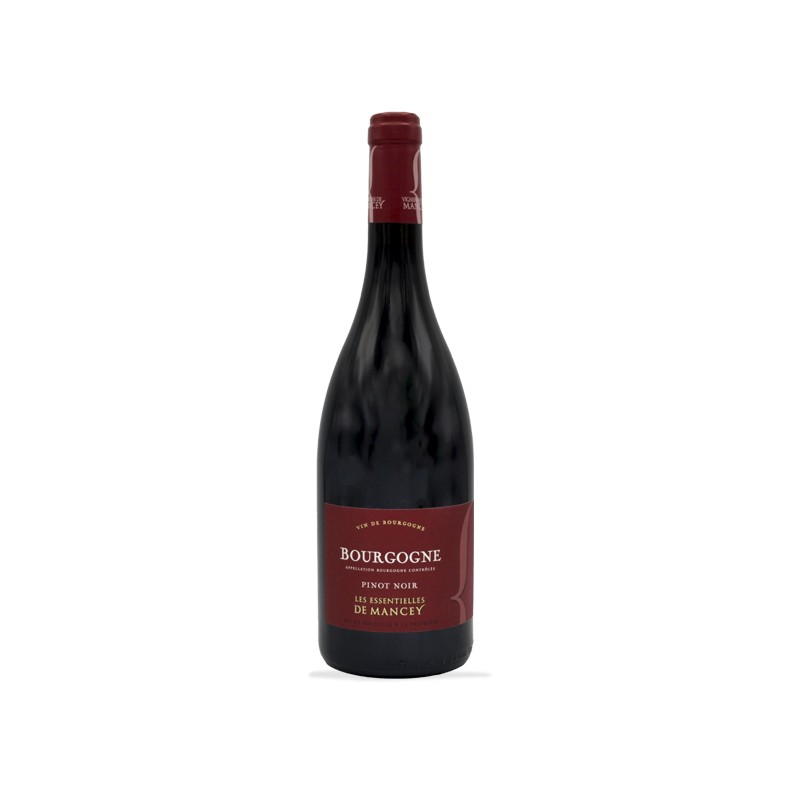
Another useful reference is Les Essentielles Pinot Noir 2023 by Les Vignerons de Mancey, listed at 12.5% alcohol. Here, the “measured” ABV supports a finer profile: red fruit, light tannic tension, and good freshness, as described on the technical sheet.
Barolo MGA Sant’Anna: when ABV supports a full-bodied structured red
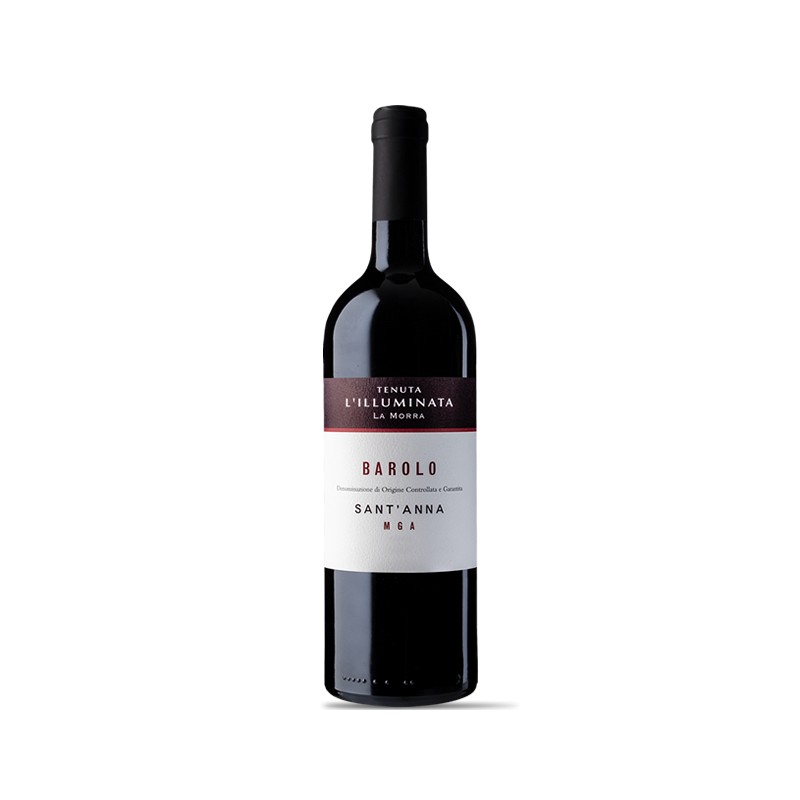
Finally, a red such as Barolo Sant’Anna 2016 (Tenuta L’Illuminata) fits the more structured wine style: tannin, persistence, and intensity often go along with a higher ABV. In the Vinoso.shop article about structured reds, the “>14%” threshold is suggested as a practical clue: here, % vol is not a detail, but part of the overall balance.
What alcohol content should a good red wine have?
Red wine alcohol content and quality: the useful criterion is balance
It’s not true that more alcohol automatically means higher quality. A good red wine is one in which alcohol, acidity, and tannins work together without sharp edges: warmth shouldn’t cover aromas, and structure shouldn’t feel heavy. This section gives you a practical yardstick: if a wine “warms” too much, it may be out of balance for your taste; if it’s slim but feels diluted, it may lack substance.
How to choose red wine alcohol content based on the occasion
For an important dinner and rich dishes, a higher ABV can be an advantage because it supports the sip; for an informal lunch or a glass during the week, a lower % vol is often more comfortable. The goal is simple: use ABV as a quick filter, then confirm with style and pairing.
What are the 5 wine classifications: where alcohol content fits in
Wine classifications (dry, off-dry, semi-sweet, sweet, fortified)
When people talk about “5 classifications,” many refer to residual sugar categories: dry, off-dry, semi-sweet, sweet, and fortified. Red wine alcohol content connects to this because, with the same grapes, a completed fermentation makes the wine drier and converts more sugars into alcohol.
Appellations (IGT, DOC, DOCG) and red wine alcohol content
Alongside that, there are classifications linked to appellations (IGT, DOC, DOCG), which define production rules and often include minimum alcohol levels. The goal here is not to memorize acronyms, but to understand that alcohol content is a controlled figure consistent with a declared style.
How to choose a red wine by alcohol content on Vinoso.shop
Reading product pages and descriptions: the shortcut for red wine ABV
When buying online, the most effective sequence is: check % vol, look at grape variety and appellation, then read the descriptors (body, tannin, freshness). That way you avoid “trial-and-error” purchases and choose a red wine that matches your expectations even without tasting it.
Red wine category on Vinoso.shop: comparing styles and alcohol levels
To explore options, the “red wine” section on Vinoso.shop is the starting point: you can compare product pages, prices, and profiles, and move from lighter reds to more structured ones in an orderly way. This part’s purpose is to take the reader from informational content to the concrete choice of a bottle.
Conclusion: using red wine alcohol content as a selection tool
In summary, red wine alcohol content is not a quality score: it’s practical information to help you choose better. Start from the label number, connect it to the style (lighter or more structured), then confirm with descriptors and pairing. For a quick comparison, you can use examples like Ca’ Bussin (about 12% vol) or Les Essentielles Pinot Noir (12.5%), and move up to more intense reds when dinner calls for it.
Comments : 0