


Riesling wines: complete guide to the best whites from Germany, Austria and Italy

Riesling wines: the white wine that surprises from the first sip
Just bring the glass to your nose to understand why Riesling wines have won over very different kinds of enthusiasts: they can be sharp and citrusy, soft and fruity, or capable of developing more complex and mineral aromas over time.
For those buying white wine online, knowing Riesling means choosing more confidently between German, Austrian and Italian labels. The references available on Vinoso.shop help explain this variety through concrete examples: Robert Weil’s Riesling Tradition shows the more precise and fragrant side of Rheingau; Pichler-Krutzler’s Riesling In der Wand brings an intense and territorial Austrian interpretation into the glass; Günther Steinmetz’s Brauneberger Riesling Trocken tells the story of the Mosel through freshness, agility and a well-defined dry balance.
Discover our Riesling selection by clicking here!
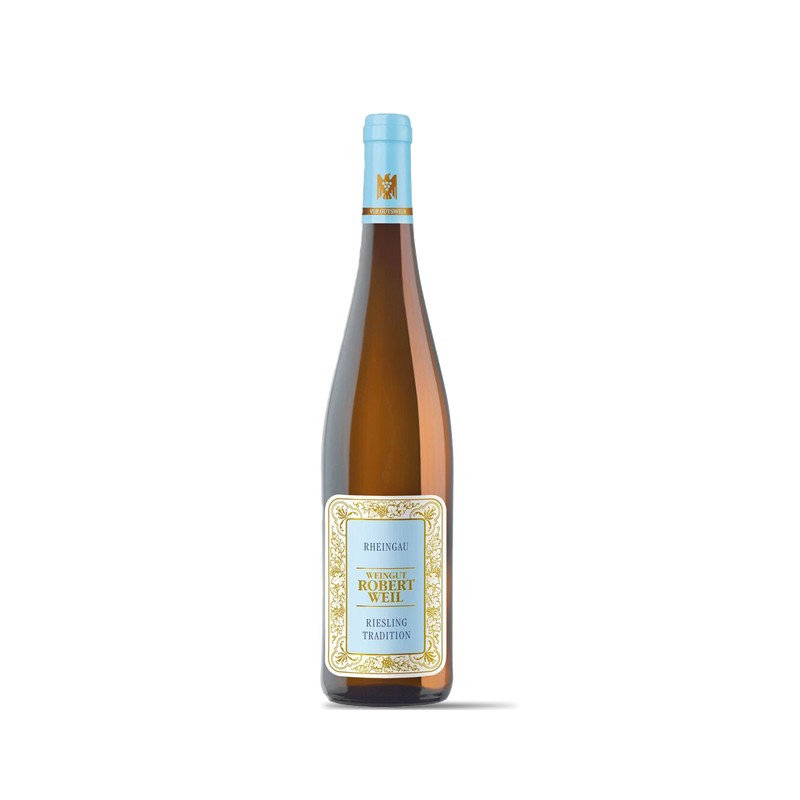
Rheingau Vdp Gutswein Riesling Tradition 2023 |
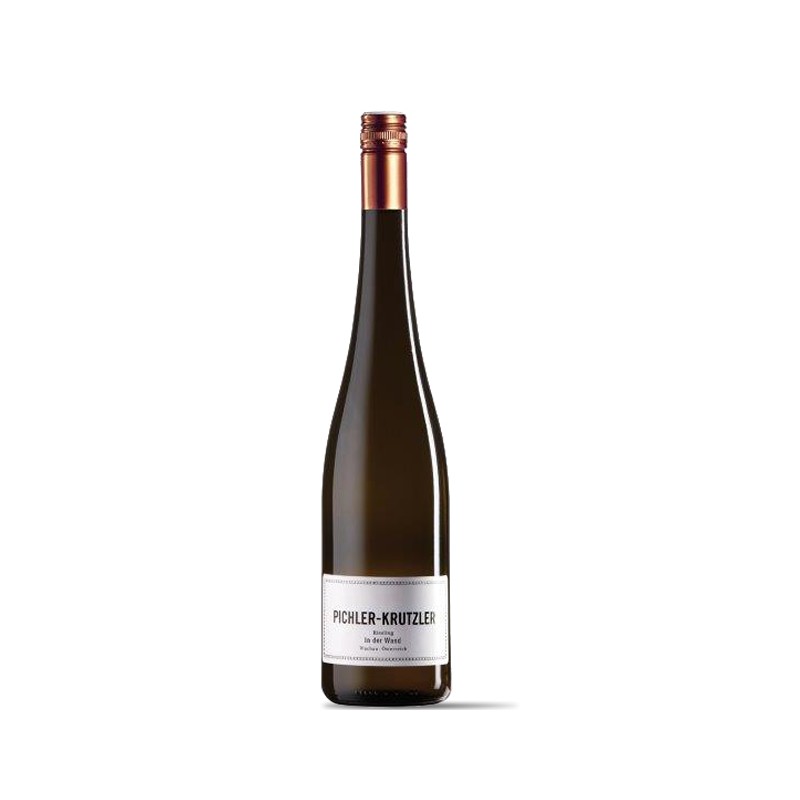
Wachau Dac Riesling In Der Wand 2022 |

Mosel Brauneberger QbA Riesling Trocken 2024 |
Where Riesling wines begin
Riesling Renano is a white grape variety strongly linked to cool climates. This condition favors slow ripening, lively acidity and clear aromas, three elements that make the wine recognizable even to non-experts.
Why Riesling wines interest white wine buyers
At the table, its acidity prepares the palate and supports very different pairings: fish, spicy dishes, cheeses and preparations with sweet-savory contrasts. In the shop, however, the difference between bottles becomes an advantage: each area offers a specific character, not a copy of the same wine.
Characteristics of Riesling wines: aromas, acidity and structure
In Riesling, freshness is not a technical detail: it is the thread that connects aromas, taste and aging potential. That is why many consumers remember it after the first sip.
Typical aromas of Riesling wines
The most frequent notes recall citrus fruits, green apple, peach, white flowers and fresh herbs. Over time, some bottles can develop more complex aromas, often described as mineral or petrol-like, without losing the basic fruity character.
The role of acidity in Riesling wines
Unlike many whites built only on softness, Riesling lives on tension. Acidity makes the sip dynamic, balances any residual sugar and allows the wine to accompany savory dishes without feeling heavy.
Young or capable of aging
A young Riesling often focuses on citrus, crisp fruit and immediacy. Some labels, especially from renowned areas such as Mosel, Rheingau or Wachau, can age well over time, gaining depth and more mature nuances.
The main Riesling wine regions: Germany, Austria and Italy
Understanding where a Riesling comes from is one of the quickest ways to imagine what we will find in the glass. The same grape changes face depending on climate, soil and production style.
Germany: Mosel and Rheingau in Riesling wines
Germany is the most important historical reference for Riesling Renano. The Mosel is famous for slender, fragrant and very fresh wines; Rheingau tends to offer more structured interpretations, often precise in fruit and herbal character. Robert Weil’s Riesling Tradition recalls white peach, star fruit and fresh herbs.
Austria: Wachau and more textured Riesling wines
In Austria, especially in the Wachau, Riesling can express greater density, ripe fruit and incisive minerality. Pichler-Krutzler’s Riesling In der Wand is described with notes of ripe mango, yellow peach and mandarin peel, a useful profile for those looking for an aromatic but never ordinary white.
Italy: where Riesling wines are grown
In Italy, it is important to distinguish between Riesling Renano and Riesling Italico. The former is found mainly in Trentino-Alto Adige, Friuli-Venezia Giulia and Veneto; the latter has an important presence in Oltrepò Pavese, as well as in some areas of Northern Italy. They are different grape varieties, so the label should be read carefully.
How to choose the best Riesling wines online
When looking at a product sheet, the most useful question is not “which is the most famous?”, but “which style do I want to drink tonight?”. This perspective makes purchasing easier and reduces the risk of choosing a bottle that is not suitable for the occasion.
Dry, off-dry and sweet Riesling wines
The German word “trocken” indicates a dry Riesling. Günther Steinmetz’s Brauneberger Riesling Trocken is presented as agile, with well-integrated acidity and a slight residual sugar that makes it soft and pleasant while still fitting into the dry style.
How to read Riesling wine labels
Country, area, vintage and sweetness indication are the first pieces of information to check. A German Riesling from the Mosel will not have the same pace as an Austrian one from the Wachau; in the same way, an Italian Riesling Italico should not automatically be confused with Riesling Renano.
Three Vinoso.shop choices to consider
Those who love fragrant and linear whites can start with Robert Weil. Those looking for an Austrian version with riper fruit can turn to Pichler-Krutzler. Those who want to discover a dry and flowing Mosel interpretation can consider Günther Steinmetz.
How to taste Riesling wines at home
A good Riesling does not require complicated gestures, but a few precautions allow aromas, acidity and precision of the sip to emerge more clearly.
Ideal temperature for Riesling wines
Serving it too cold can close the aromas; serving it too warm can make the acidity less pleasant. A range between 8 and 10 °C works well for many dry and young versions, while more structured bottles can be enjoyed slightly less cold.
The right glass for Riesling wines
A white wine glass with an opening that is not too wide helps concentrate the aromas. Riesling does not need aggressive oxygenation: often it is enough to pour it, wait a few minutes and follow its evolution in the glass.
How to recognize a quality Riesling
A good clue is balance. The wine should have freshness, but not be sharp; it should offer aroma, but without seeming artificial; it may have residual sugar, as long as acidity keeps it harmonious.
Food pairings with Riesling wines
The gastronomic strength of Riesling comes from its ability to support intense flavors without covering them. That is why it works well even where other whites seem too simple or too soft.
Fish, shellfish and Riesling wines
With baked fish, tartare, prawns and shellfish, a dry Riesling enhances the marine side and prepares the palate between bites. The more mineral versions are ideal when the dish includes lemon, aromatic herbs or delicate cooking methods.
Spicy cuisine and Riesling wines
Asian dishes with ginger, lime, soy sauce or moderate heat find a very effective ally in Riesling. Acidity lightens the seasoning, while a slight residual sugar can soften the spicy sensation.
Cheeses and Riesling wines
Goat cheeses, not-too-aggressive blue cheeses and preparations with smoky notes can create interesting pairings. The choice depends on the style: dry and taut for fresh cheeses, softer for intense flavors.
The best Riesling wines to buy on Vinoso.shop
The ideal selection does not need to be endless: it should help the customer understand which bottle best matches personal taste and drinking context.
Robert Weil Riesling Tradition
This label is suitable for those who want to approach Rheingau with a fragrant, precise white wine suited to an elegant but not demanding dinner. Notes of light fruit and fresh herbs make it versatile.
Pichler-Krutzler Riesling In der Wand
The Austrian reference is suitable for those looking for more aromatic volume. Its notes of ripe fruit and citrus peel make it suitable for flavorful fish dishes, fusion cuisine and medium-intensity cheeses.
Günther Steinmetz Brauneberger Riesling Trocken
This Mosel bottle is interesting for those who want a dry, flowing and well-balanced Riesling. The slight residual sugar, when present, should not be read as marked sweetness, but as an element of harmony.
How to store and when to drink Riesling wines
A well-chosen bottle deserves proper storage. Light, heat and temperature fluctuations can compromise aromas and freshness before the wine is even opened.
Correct storage of Riesling wines
Bottles should be kept in a cool, dark and stable place. For long periods, a horizontal position is preferable if the closure is cork, while for quick consumption the main point is to avoid heat sources and direct light.
When to drink a young Riesling
Young versions are perfect when you are looking for clear aromas and an energetic sip. They work well for refined aperitifs, fish dinners and vegetarian dishes with citrus, herbs or crunchy vegetables.
When to age a Riesling
Some Riesling wines can improve with aging, developing greater complexity. Not all bottles are designed for long cellar time: this is why it is worth looking at area, producer, vintage and style before storing them for a long time.
Conclusion: why choose Riesling wines today
Choosing Riesling wines means entering a category of whites capable of combining freshness, aromatic precision and great flexibility at the table. It is not a wine to choose only out of curiosity: it is a concrete solution for those looking for bottles capable of accompanying fish, spicy cuisine, cheeses and different moments of the week.
On Vinoso.shop, the labels by Robert Weil, Pichler-Krutzler and Günther Steinmetz allow you to compare three European interpretations without getting lost in generic descriptions. Germany and Austria remain fundamental references, while Italy offers a particular story between Riesling Renano and Riesling Italico. The best way to understand the difference is to taste carefully, starting from a bottle consistent with your personal taste.
FAQ about Riesling wines
What kind of wine is Riesling?
Riesling is a white wine made from the grape variety of the same name, especially in the Riesling Renano version. It can be dry, off-dry or sweet, but it almost always maintains marked freshness and aromas recalling citrus, peach, flowers, herbs and mineral notes.
What are the best Rieslings?
The best Rieslings depend on the style you are looking for. Germany, with Mosel and Rheingau, is a central reference; Austria, especially Wachau, offers intense and mineral wines. On Vinoso.shop, Robert Weil, Pichler-Krutzler and Günther Steinmetz represent three interesting choices for comparing different territories and profiles.
Where is Riesling grown in Italy?
In Italy, both Riesling Renano and Riesling Italico can be found. Riesling Renano is present mainly in Trentino-Alto Adige, Friuli-Venezia Giulia and Veneto; Riesling Italico has a significant presence in Oltrepò Pavese and other areas of Northern Italy. The two varieties should not be considered equivalent.
Comments : 0